
Forum rules
Oekaki posts must follow our Rules for the Site and Forum,
including the Oekaki Rules and Art Rules.
Having trouble using oekaki? Check out the Oekaki Guide or send in a help ticket.
Oekaki posts must follow our Rules for the Site and Forum,
including the Oekaki Rules and Art Rules.
Having trouble using oekaki? Check out the Oekaki Guide or send in a help ticket.
Range Trotter #3804 by Pandapop

| Based on | Click to view |
| Artist | Pandapop [gallery] |
| Time spent | 32 minutes |
| Drawing sessions | 2 |
| 13 people like this | Log in to vote for this drawing |
11 posts
• Page 1 of 2 • 1, 2
Range Trotter #3804
 by Pandapop » Thu Jun 29, 2023 8:45 am
Range Trotters are the result of crossbreeding Orlov Trotters, Finnhorses, Welsh Cobs (section C & D) and Hanoverians. Later crosses of Quarter Horses, Paint and Appaloosas to gain color and to give a boost to their hardiness.With a height average of 13-15 hands, they're a hardy breed with characteristics for various disciplines.
Created for use as work, carriage and leisure riding horses originally, they now serve as long-distance range horses, such as work with Park Rangers and mounted officers.
Willing and eager personalities, most are quickly trained to be bombproof and therefore trusted mounts in all lines of work; some are being seen in local show jumping competitions, others are notably used in therapeutic sessions for their calm temperaments. Harness races and endurance trials are common for the breed, as they are able to sustain an extended trot without tire. Cross-Country competitions see some of the taller Trotters, but due to their cob lineage this is still uncommon.
Despite the variety of competitions and work these horses are being seen in, they are still famously skilled as endurance racers. Many competitors have chosen Range Trotters due to their tireless work ethic, as well as the ease in which they can be trained. Many have become champions in endurance trials, and they have quickly become a sought after breed for their natural ability.
Show me some (credited) blanket appaloosa horses!
End Date: 7/2
End Date: 7/2
Username: minimire
Show Name: Waves of Reverence
Barn Name: River
Gender: Stallion
Height: 15.2hh
Eye Color: Oh, I Didn't See You There
Phenotype: Golden Champagne Spotted Blanket Appaloosa
Genotype: ee aa Chch Lplp
Last edited by Pandapop on Mon Jul 03, 2023 4:34 pm, edited 1 time in total.
-

Pandapop - Posts: 19644
- Joined: Wed Jul 23, 2014 8:42 am
- My pets
- My items
- My wishlist
- My gallery
- My scenes
- My dressups
- Trade with me
Re: Range Trotter #3804
by Flickerflame » Thu Jun 29, 2023 9:08 am
Username: Flickerflame
Show Name: Wranglers Holidoc
Barn Name: Holi
Gender: Female
Height: 13.4 h
Halter Color: Tan
Prompt: Both are from a farm called Avalon Appaloosas

Show Name: Wranglers Holidoc
Barn Name: Holi
Gender: Female
Height: 13.4 h
Halter Color: Tan
Prompt: Both are from a farm called Avalon Appaloosas
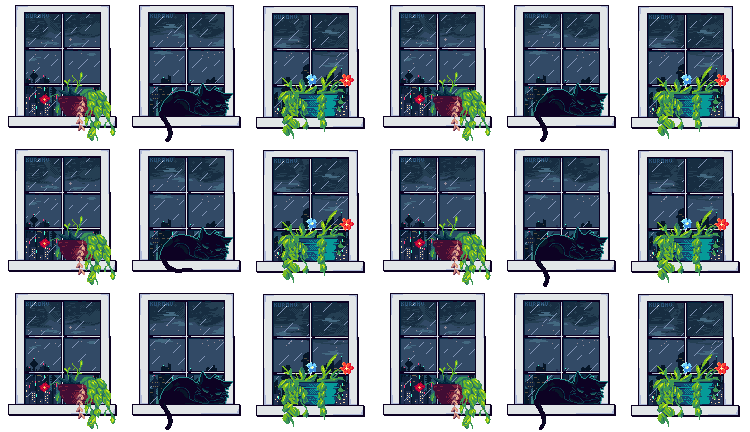
~Flickerflame
-

Flickerflame - Posts: 763
- Joined: Sat Aug 21, 2010 11:33 am
- My pets
- My items
- My wishlist
- My gallery
- My scenes
- My dressups
- Trade with me
Re: Range Trotter #3804
by Kenjaku » Thu Jun 29, 2023 10:48 am
Username: Lath
Show Name: BKD's Are You Happy Now?
Barn Name: Exposure
Gender: Mare
Height: 15hh
Halter Color: Artist's choice
Prompt: x
Show Name: BKD's Are You Happy Now?
Barn Name: Exposure
Gender: Mare
Height: 15hh
Halter Color: Artist's choice
Prompt: x


-

Kenjaku - Posts: 31644
- Joined: Fri Nov 26, 2010 7:19 pm
- My pets
- My items
- My wishlist
- My gallery
- My scenes
- My dressups
- Trade with me
Re: Range Trotter #3804
by heyheygirl101 » Thu Jun 29, 2023 2:30 pm
Username: heyheygirl101
Show Name: LLE Swayin' In The Wind
Barn Name: Wisteria
Gender: Mare
Height: 14 hh
Halter Color: same as eyes please
Prompt:
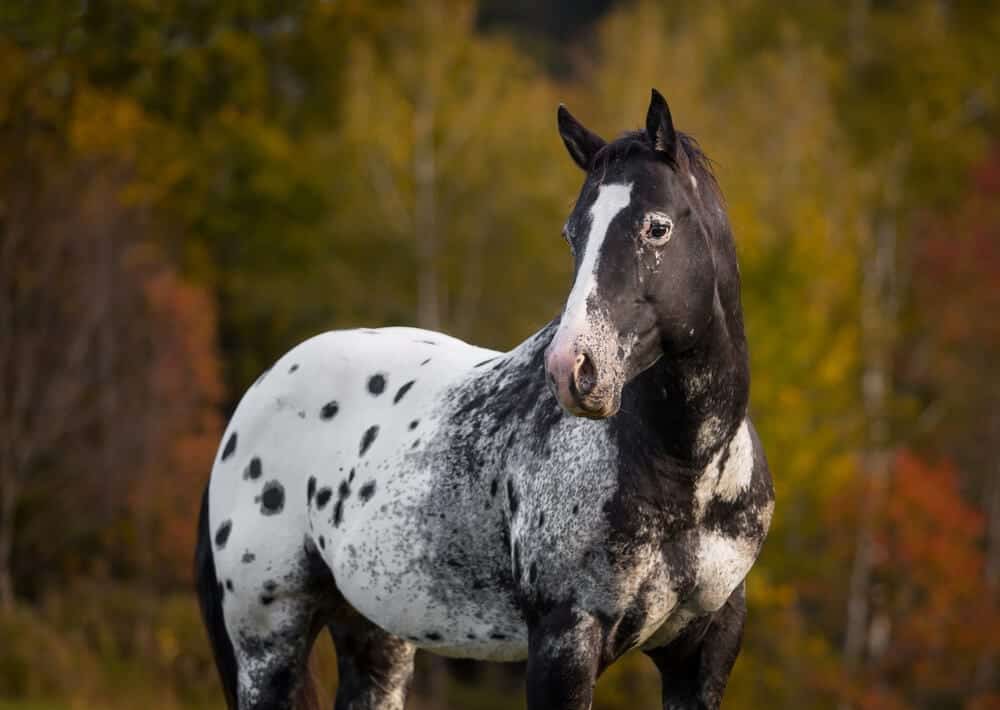
Show Name: LLE Swayin' In The Wind
Barn Name: Wisteria
Gender: Mare
Height: 14 hh
Halter Color: same as eyes please
Prompt:

♡
♡
♡
♡
♡
♡
♡
♡
♡
♡
♡
♡
♡
♡
♡
♡
♡
♡
♡
♡
♡
♡
♡
♡
♡
♡
♡
♡
♡
♡
♡
♡
♡
♡
♡
♡
♡

♡
♡
♡
♡
♡
♡
♡
♡
♡
♡
♡
♡
♡
♡
♡
♡
♡
♡
♡
♡
♡
♡
♡
♡
♡
♡
♡
♡
♡
♡
♡
♡
♡
♡
♡
♡
♡
𝐼 𝓉𝒽𝑜𝓊𝑔𝒽𝓉 𝓌𝑒 𝓌𝑒𝓇𝑒 𝓁𝒾𝓀𝑒 𝒻𝓁𝑜𝓌𝑒𝓇𝓈.
𝒲𝑒 𝓌𝑒𝓇𝑒 𝓂𝑒𝒶𝓃𝓉 𝓉𝑜 𝑔𝓇𝑜𝓌 𝓉𝑜𝑔𝑒𝓉𝒽𝑒𝓇 𝒾𝓃 𝓉𝒽𝑒 𝓈𝒶𝓂𝑒 𝓈𝑜𝒾𝓁.
𝒴𝑒𝓉 𝓎𝑜𝓊 𝓌𝑒𝓇𝑒 𝓆𝓊𝒾𝑒𝓉𝓁𝓎 𝓂𝑜𝓋𝑒𝒹 𝓉𝑜 𝒶𝓃𝑜𝓉𝒽𝑒𝓇 𝑔𝒶𝓇𝒹𝑒𝓃 𝒾𝓃 𝒶 𝒻𝑜𝓇𝑒𝒾𝑔𝓃 𝓁𝒶𝓃𝒹...
𝒲𝑒 𝓌𝑒𝓇𝑒 𝓂𝑒𝒶𝓃𝓉 𝓉𝑜 𝑔𝓇𝑜𝓌 𝓉𝑜𝑔𝑒𝓉𝒽𝑒𝓇 𝒾𝓃 𝓉𝒽𝑒 𝓈𝒶𝓂𝑒 𝓈𝑜𝒾𝓁.
𝒴𝑒𝓉 𝓎𝑜𝓊 𝓌𝑒𝓇𝑒 𝓆𝓊𝒾𝑒𝓉𝓁𝓎 𝓂𝑜𝓋𝑒𝒹 𝓉𝑜 𝒶𝓃𝑜𝓉𝒽𝑒𝓇 𝑔𝒶𝓇𝒹𝑒𝓃 𝒾𝓃 𝒶 𝒻𝑜𝓇𝑒𝒾𝑔𝓃 𝓁𝒶𝓃𝒹...
╔═══════════════════════╗
Hiya! I'm Heyhey <3
Pronouns are she/her and I am a proud bisexual
Trades are always open, I am just slow to respond
Pronouns are she/her and I am a proud bisexual
Trades are always open, I am just slow to respond
╚═══════════════════════╝
𝒮𝓉𝒾𝓁𝓁, 𝓎𝑜𝓊 𝓂𝒶𝓃𝒶𝑔𝑒𝒹 𝓉𝑜 𝒷𝓁𝑜𝑜𝓂 𝒷𝑒𝒶𝓊𝓉𝒾𝒻𝓊𝓁𝓁𝓎.
-

heyheygirl101 - Posts: 4724
- Joined: Fri Apr 03, 2009 10:31 am
- My pets
- My items
- My wishlist
- My gallery
- My scenes
- My dressups
- Trade with me
Re: Range Trotter #3804
by Aizaka » Fri Jun 30, 2023 5:42 am
Username: Aizaka
Show Name: Prince of the West
Barn Name: Clint
Gender: Male
Height: 14.1 hh
Halter Color: Either a light shade of purple similar to the eyes, or a cream or brown. Just something complementary.. ^_^'
Prompt:
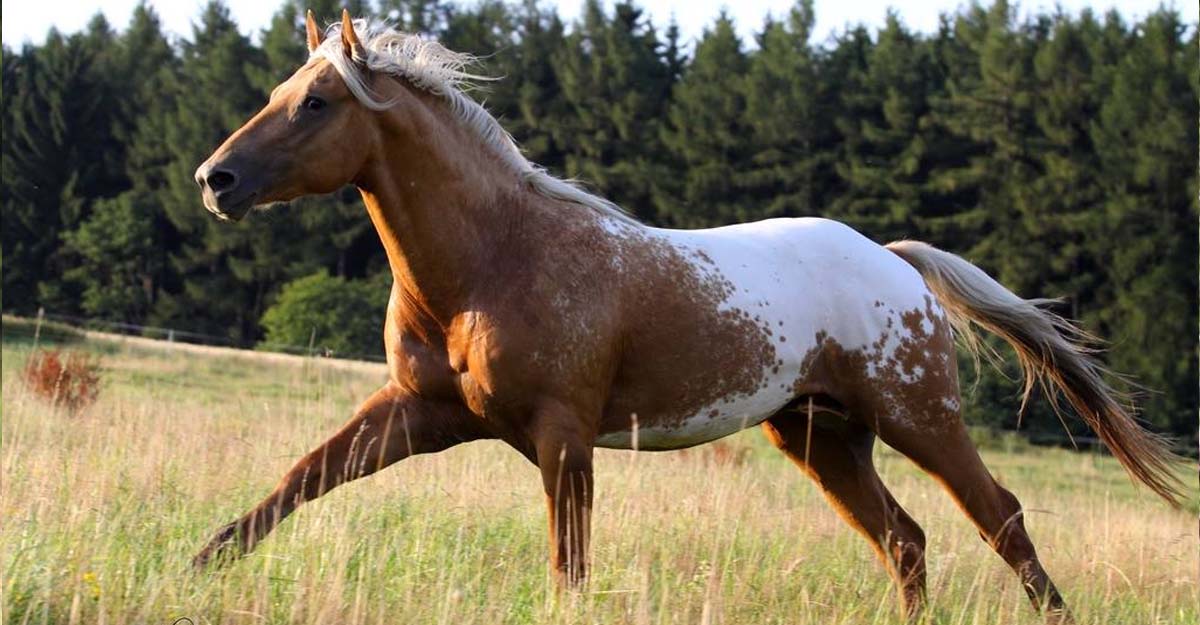
Indignation has some beautiful shots ^_^
Show Name: Prince of the West
Barn Name: Clint
Gender: Male
Height: 14.1 hh
Halter Color: Either a light shade of purple similar to the eyes, or a cream or brown. Just something complementary.. ^_^'
Prompt:
Indignation has some beautiful shots ^_^


-

Aizaka - Posts: 8155
- Joined: Sun Jul 05, 2020 9:33 am
- My pets
- My items
- My wishlist
- My gallery
- My scenes
- My dressups
- Trade with me
Re: Range Trotter #3804
by Bear. » Fri Jun 30, 2023 10:28 am
Username: Bear.
Show Name: WTS Precious Moments
Barn Name: Angel
Gender: Mare
Height: 14hh
Halter Color: eye color
Prompt:
 x
x
Show Name: WTS Precious Moments
Barn Name: Angel
Gender: Mare
Height: 14hh
Halter Color: eye color
Prompt:
x



-

Bear. - Posts: 3755
- Joined: Sun Nov 06, 2011 4:56 am
- My pets
- My items
- My wishlist
- My gallery
- My scenes
- My dressups
- Trade with me
Re: Range Trotter #3804
by Livalathia » Fri Jun 30, 2023 4:51 pm
Username: Livalathia
Show Name: LC Man of the Hour
Barn Name: Casanova
Gender: Stallion
Height: 15hh
Halter Color: Artists Choice
Prompt: xXx | cc
edit: didn't want to use the same picture as someone else c:
Show Name: LC Man of the Hour
Barn Name: Casanova
Gender: Stallion
Height: 15hh
Halter Color: Artists Choice
Prompt: xXx | cc
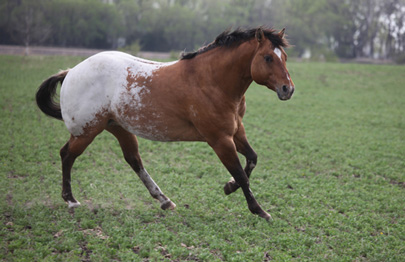
edit: didn't want to use the same picture as someone else c:
- ▬▬▬▬▬▬▬▬▬▬▬▬▬▬▬

| she/her | adult | weirdo | taken |
ello, i'm livalathia or liva for short c:
character storage , ©
▬▬▬▬▬▬▬▬▬▬▬▬▬▬▬
-
Livalathia - Posts: 4532
- Joined: Sun Mar 22, 2009 4:41 am
- My pets
- My items
- My wishlist
- My gallery
- My scenes
- My dressups
- Trade with me
Re: Range Trotter #3804
by minimire » Sat Jul 01, 2023 12:19 am
- Username: minimire
Show Name: waves of reverence
Barn Name: river
Gender: stallion
Height: 15.2 hh
Halter Color: light ocean blue
Prompt: The Appaloosa was brought to North America just 500 years ago, and around a decade or so later, the breed was spread all across the continent, becoming quite a staple for Native American tribes, due to how good they were at practically everything. Appaloosa horses can carry the gene which causes congenital stationary blindness and are also prone to equine recurrent uveitis, a lot more so than most other breeds in fact. This, in simpler terms, is the infection of the eye’s uveal tract which in turn can result in puffy red eyes and yes, eventually blindness.
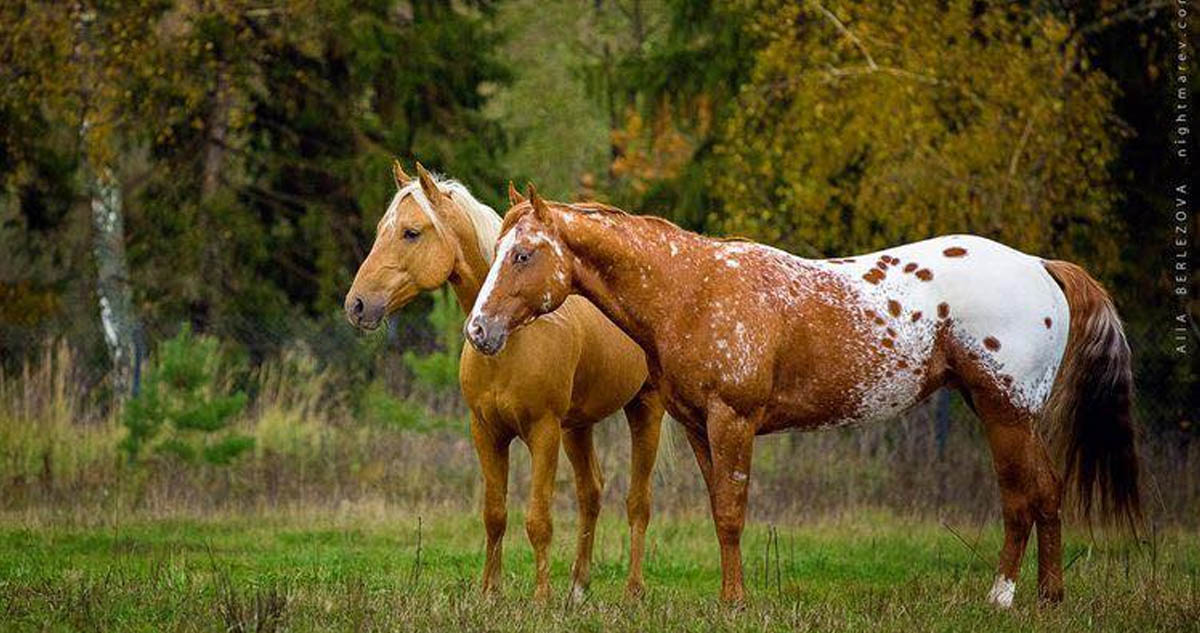

credit
ps i'm not sure if we're allowed to show more than one photo but these two are of the same horse and taken by the same photographer! i just did not know which one to choose!
-

minimire - Posts: 9874
- Joined: Wed Dec 21, 2016 12:49 pm
- My pets
- My items
- My wishlist
- My gallery
- My scenes
- My dressups
- Trade with me
Re: Range Trotter #3804
by .chococat. » Sat Jul 01, 2023 8:44 am
Username: green.
Show Name: RWS Someone Like You
Barn Name: Conan
Gender: Stallion
Height: 14hh
Halter Color: surprise me
Prompt:
Show Name: RWS Someone Like You
Barn Name: Conan
Gender: Stallion
Height: 14hh
Halter Color: surprise me
Prompt:
"Night falls
With gravity
The earth turns
From sanity"[/b]
L - they/them - est
used to be arcadia bay. | x
With gravity
The earth turns
From sanity"[/b]
L - they/them - est
used to be arcadia bay. | x

l
u
n
a
r
.
u
n
a
r
.
- .chococat.
- Posts: 6652
- Joined: Sun Nov 24, 2019 10:31 am
- My pets
- My items
- My wishlist
- My gallery
- My scenes
- My dressups
- Trade with me
Re: Range Trotter #3804
by Pandapop » Mon Jul 03, 2023 4:33 pm
minimire wrote:Username: minimire
Show Name: waves of reverence
Barn Name: river
Gender: stallion
Height: 15.2 hh
Halter Color: light ocean blue
Prompt: The Appaloosa was brought to North America just 500 years ago, and around a decade or so later, the breed was spread all across the continent, becoming quite a staple for Native American tribes, due to how good they were at practically everything. Appaloosa horses can carry the gene which causes congenital stationary blindness and are also prone to equine recurrent uveitis, a lot more so than most other breeds in fact. This, in simpler terms, is the infection of the eye’s uveal tract which in turn can result in puffy red eyes and yes, eventually blindness.
-snip-
credit
ps i'm not sure if we're allowed to show more than one photo but these two are of the same horse and taken by the same photographer! i just did not know which one to choose!
Congrats!
Beautiful horse!
Beautiful horse!
-
Pandapop - Posts: 19644
- Joined: Wed Jul 23, 2014 8:42 am
- My pets
- My items
- My wishlist
- My gallery
- My scenes
- My dressups
- Trade with me
11 posts
• Page 1 of 2 • 1, 2
Who is online
Users browsing this forum: alphanea, ghoul1gan, Hobbit Geek, lacke, Loadingconstella and 11 guests