
~Birchclan~ V.2 Accepting! We need Warriors and toms!
~Birchclan~ V.2 Accepting! We need Warriors and toms!
 by sHa-ZAM! XD » Mon Apr 22, 2013 3:17 am
Welcome to Birchclan!
News
Please read the rules. We are in desperate need of warriors!
Please join! c:
WARNING:
If you have a cat with an important role, such as Med cat, Please be on Daily or close to daily, being at least on every 2-3(Not even 3) days! I will make exceptions, such as if you're going on vacation, but please be on as much as you can, otherwise your cat's position will be filled! I sorry, but we can have people being inactive for too long! c:
Please read the rules. We are in desperate need of warriors!
Please join! c:
WARNING:
If you have a cat with an important role, such as Med cat, Please be on Daily or close to daily, being at least on every 2-3(Not even 3) days! I will make exceptions, such as if you're going on vacation, but please be on as much as you can, otherwise your cat's position will be filled! I sorry, but we can have people being inactive for too long! c:
Rules
• Only warrior cussing. (Ex. "Mousebrain", "Foxbreath", "Foxheart", etc.)
• You must have read at least one "Warriors" book
• One-two lines at LEAST per post
• Try and keep genders even.
• Maximum of five characters (not including kits)
• Your cat can't be perfect. No one is.
• Your cat must die at one point; it’s called the circle of life.
• Please update your forums as we go along and let me know so I could
update the front page. (Ex. New crush, name, etc. )
• If you have a problem, please pm me. I'm almost always free to chat.
• Have fun!
• No detailed mating/birthing!
• No being Mentor/mate/crush with yourself
• Only warrior cussing. (Ex. "Mousebrain", "Foxbreath", "Foxheart", etc.)
• You must have read at least one "Warriors" book
• One-two lines at LEAST per post
• Try and keep genders even.
• Maximum of five characters (not including kits)
• Your cat can't be perfect. No one is.
• Your cat must die at one point; it’s called the circle of life.
• Please update your forums as we go along and let me know so I could
update the front page. (Ex. New crush, name, etc. )
• If you have a problem, please pm me. I'm almost always free to chat.
• Have fun!
• No detailed mating/birthing!
• No being Mentor/mate/crush with yourself
Forum
- Code: Select all
[center][b]{Image:}[/b]
(---Image Here---)
[b]{Cat's Name:}[/b]
(---Answer Here---)
[b]{Age:}[/b]
(---Answer Here---)
[b]{Gender:}[/b]
(---Answer Here---)
[b]{Rank:}[/b]
(---Answer Here---)
[b]{Wanted Rank:}[/b]
(---Answer Here---)
[b]{Crush:}[/b]
(---Answer Here---)
[b]{Mate:}[/b]
(---Answer Here---)
[b]{Kits:}[/b]
(----Answer Here--)
[b]{Personality:}[/b]
(---Answer Here---)
[b]{Interests/Likes:}[/b]
(---Answer Here---)
[b]{Looks:}[/b]
(---Answer Here---)
[b]{Other:}[/b]
(---Answer Here---)[/center]
My Cats
{Image:}
(--- ---)
---)
{Cat's Name:}
(---Brackenstar---)
{Age:}
(---68 moons---)
{Gender:}
(---Tom---)
{Rank:}
(---Leader---)
{Wanted Rank:}
(---Acchieved---)
{Crush:}
(---None---)
{Mate:}
(---None---)
{Kits:}
(----None--)
{Personality:}
(---Wise, thinker,inquirering minded, and funny---)
{Interests/Likes:}
(---He doesn't like to jump to conlusions---)
{Looks:}
(---Huge brown tabby ith white chest fur and white paw tips.---)
{Other:}
(---He has 3 lives left---)
(---
---){Cat's Name:}
(---Brackenstar---)
{Age:}
(---68 moons---)
{Gender:}
(---Tom---)
{Rank:}
(---Leader---)
{Wanted Rank:}
(---Acchieved---)
{Crush:}
(---None---)
{Mate:}
(---None---)
{Kits:}
(----None--)
{Personality:}
(---Wise, thinker,inquirering minded, and funny---)
{Interests/Likes:}
(---He doesn't like to jump to conlusions---)
{Looks:}
(---Huge brown tabby ith white chest fur and white paw tips.---)
{Other:}
(---He has 3 lives left---)
____________________________________________________________________________________________
{Image:}
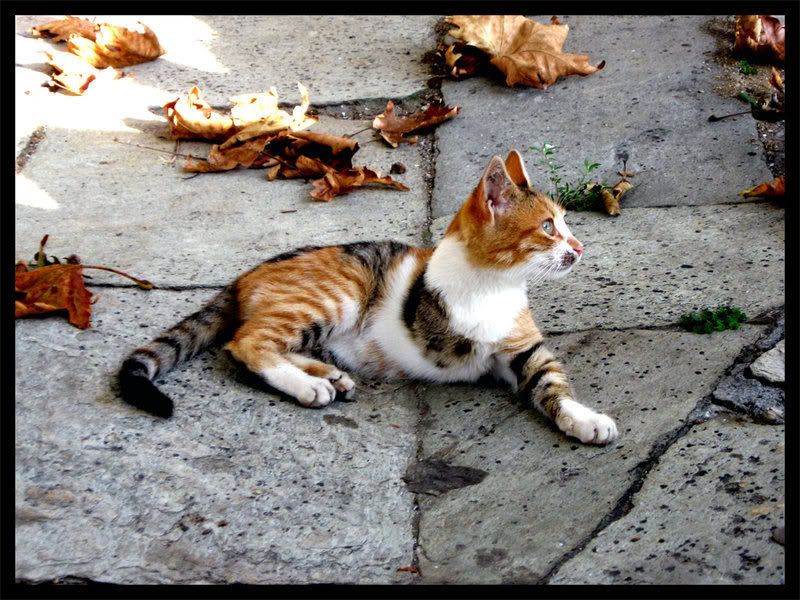
{Cat's Name:}
Scarlettpaw
{Age:}
6 moons
{Gender:}
She-cat
{Rank:}
Apprentice
{Wanted Rank:}
Warrior
{Crush:}
Nope
{Mate:}
O.O No.
{Kits:}
._. No.
{Personality:}
Scarlettpaw is very curious, out-going, thoughtful, and open minded.
{Interests/Likes:}
She is interested in almost everything and being the best help her clan. She also likes to think that every thing hapens for a reason and every life counts.
{Looks:}
Small tortoiseshell and white she-cat with a bit of tabby. She has her father's amber eyes.
{Other:}
Her brother is Frostpaw, their parents were rouges.

{Cat's Name:}
Scarlettpaw
{Age:}
6 moons
{Gender:}
She-cat
{Rank:}
Apprentice
{Wanted Rank:}
Warrior
{Crush:}
Nope
{Mate:}
O.O No.
{Kits:}
._. No.
{Personality:}
Scarlettpaw is very curious, out-going, thoughtful, and open minded.
{Interests/Likes:}
She is interested in almost everything and being the best help her clan. She also likes to think that every thing hapens for a reason and every life counts.
{Looks:}
Small tortoiseshell and white she-cat with a bit of tabby. She has her father's amber eyes.
{Other:}
Her brother is Frostpaw, their parents were rouges.
_______________________________________________________
{Image:}

{Cat's Name:}
Frostpaw
{Age:}
6 moons
{Gender:}
Tom
{Rank:}
Apprentice
{Wanted Rank:}
Deputy
{Crush:}
None
{Mate:}
._. Nada
{Kits:}
Negative.
{Personality:}
Frostpaw Is a very tough apprentice. He works extra hard to be a good warrior, because of his roots. He is always very protective over his sister, and if any cat hurts her in any way, he says he'll make them regret it.
{Interests/Likes:}
He is interested in being extremely loyal to his clan. (Except when it comes to his sister) He also likes to keep an eye on his sister where ever she goes.
{Looks:}
Medium sized grey tabby tom with amber eyes. (Just like his sister's)
{Other:}
His sister is Scarlettpaw and He is the oldest. Therefore he feels it is his responseability to watch over her.
{Cat's Name:}
Frostpaw
{Age:}
6 moons
{Gender:}
Tom
{Rank:}
Apprentice
{Wanted Rank:}
Deputy
{Crush:}
None
{Mate:}
._. Nada
{Kits:}
Negative.
{Personality:}
Frostpaw Is a very tough apprentice. He works extra hard to be a good warrior, because of his roots. He is always very protective over his sister, and if any cat hurts her in any way, he says he'll make them regret it.
{Interests/Likes:}
He is interested in being extremely loyal to his clan. (Except when it comes to his sister) He also likes to keep an eye on his sister where ever she goes.
{Looks:}
Medium sized grey tabby tom with amber eyes. (Just like his sister's)
{Other:}
His sister is Scarlettpaw and He is the oldest. Therefore he feels it is his responseability to watch over her.
_________________________________________________________________________________________
{Image:}

{Cat's Name:}
Cloudfrost
{Age:}
33 moons
{Gender:}
She-cat
{Rank:}
Former deputy, now a rouge
{Wanted Rank:}
Leader
{Crush:}
None
{Mate:}
Nope
{Kits:}
None
{personality:}
This cat has a sharp tounge especially if you annoy her.She is also very stubborn.
{Interests/Likes:}
She wants to get her revenge on the clans for throwing her out because of her sinister plans.
{Looks:}
Fluffy white she-cat with yellow-amber eyes.
{Other:}
She is lurking in the forest, finding the best way to get revenge. She plans to make Crowfoot and Dovestar pay for casting her out.
{Cat's Name:}
Cloudfrost
{Age:}
33 moons
{Gender:}
She-cat
{Rank:}
Former deputy, now a rouge
{Wanted Rank:}
Leader
{Crush:}
None
{Mate:}
Nope
{Kits:}
None
{personality:}
This cat has a sharp tounge especially if you annoy her.She is also very stubborn.
{Interests/Likes:}
She wants to get her revenge on the clans for throwing her out because of her sinister plans.
{Looks:}
Fluffy white she-cat with yellow-amber eyes.
{Other:}
She is lurking in the forest, finding the best way to get revenge. She plans to make Crowfoot and Dovestar pay for casting her out.
__________________________________________________
{Image:}

{Cat's Name:}
Barkfur
{Age:}
109 moons
{Gender:}
Tom
{Rank:}
Elder
{Wanted Rank:}
Elder
{Crush:}
Dead
{Mate:}
dead
{Kits:}
Cloudfrost
{Personality:}
Barkfur is a cranky old elder. Her loves his daughter, Cloudfrost, and he awaits her return and redemption.
{Interests/Likes:}
He likes to threaten the other cats with Cloudfrost's return.
{Looks:}
Very matted old white tom, covered in fleas and ticks.
{Other:}
He is also called Fleafur behind his back, because his fur is always crawling with fleas.
{Cat's Name:}
Barkfur
{Age:}
109 moons
{Gender:}
Tom
{Rank:}
Elder
{Wanted Rank:}
Elder
{Crush:}
Dead
{Mate:}
dead
{Kits:}
Cloudfrost
{Personality:}
Barkfur is a cranky old elder. Her loves his daughter, Cloudfrost, and he awaits her return and redemption.
{Interests/Likes:}
He likes to threaten the other cats with Cloudfrost's return.
{Looks:}
Very matted old white tom, covered in fleas and ticks.
{Other:}
He is also called Fleafur behind his back, because his fur is always crawling with fleas.
______________________________________________________________
{Image:}

{Cat's Name:}
Crowfoot
{Age:}
19 moons
{Gender:}
Tom
{Rank:}
Warrior
{Wanted Rank:}
Warrior
{Crush:}
Looking
{Mate:}
Nope
{Kits:}
None
{Personality:}
Crowfoot is a playful, loyal, nervous of Cloudfrost, a bit clumsey, curious, a bit of a show off, but still is still out-going and senseitive.
{Interests/Likes:}
He always has the fear of Cloudfrost watching his every move.
{Looks:}
Large black tom with light green eyes.
{Other:}
None
{Cat's Name:}
Crowfoot
{Age:}
19 moons
{Gender:}
Tom
{Rank:}
Warrior
{Wanted Rank:}
Warrior
{Crush:}
Looking
{Mate:}
Nope
{Kits:}
None
{Personality:}
Crowfoot is a playful, loyal, nervous of Cloudfrost, a bit clumsey, curious, a bit of a show off, but still is still out-going and senseitive.
{Interests/Likes:}
He always has the fear of Cloudfrost watching his every move.
{Looks:}
Large black tom with light green eyes.
{Other:}
None
___________________________________________________________________
{Image:}

{Cat's Name:}
(---Blueclaw---)
{Age:}
(---17 moons---)
{Gender:}
(---She-cat---)
{Rank:}
(---Warrior---)
{Wanted Rank:}
(---Achieved---)
{Crush:}
(---Twigstep---)
{Mate:}
(---Wants---)
{Kits:}
(----Wants---)
{Personality:}
(---Blueclaw is a nerous cat. A lot of things make her jumpy, and she is shy.---)
{Interests/Likes:}
(---She always thinks about the worst things that could happen. She doesn't like doing anything without thinking it through.---)
{Looks:}
(---She is a medium sized Russian Blue with a round face. She has Copper colored eyes.---)
{Other:}
(---She hates being out on the spot.---)
{Cat's Name:}
(---Blueclaw---)
{Age:}
(---17 moons---)
{Gender:}
(---She-cat---)
{Rank:}
(---Warrior---)
{Wanted Rank:}
(---Achieved---)
{Crush:}
(---Twigstep---)
{Mate:}
(---Wants---)
{Kits:}
(----Wants---)
{Personality:}
(---Blueclaw is a nerous cat. A lot of things make her jumpy, and she is shy.---)
{Interests/Likes:}
(---She always thinks about the worst things that could happen. She doesn't like doing anything without thinking it through.---)
{Looks:}
(---She is a medium sized Russian Blue with a round face. She has Copper colored eyes.---)
{Other:}
(---She hates being out on the spot.---)
___________________________________________________________
{Image:}

{Cat's Name:}
(---Mudfoot---)
{Age:}
(---52 moons---)
{Gender:}
(---Tom---)
{Rank:}
(---Warrior---)
{Wanted Rank:}
(---Elder---)
{Crush:}
(---Dead---)
{Mate:}
(---None---)
{Kin:}
(---Cloudfrost's uncle---)
{Personality:}
(---Cranky senior warrior---)
{Interests/Likes:}
(---Hunting and sunning himself---)
{Looks:}
(---Large Siamese tom with brilliant blue eyes---)
{Other:}
(---Nope---)
{Cat's Name:}
(---Mudfoot---)
{Age:}
(---52 moons---)
{Gender:}
(---Tom---)
{Rank:}
(---Warrior---)
{Wanted Rank:}
(---Elder---)
{Crush:}
(---Dead---)
{Mate:}
(---None---)
{Kin:}
(---Cloudfrost's uncle---)
{Personality:}
(---Cranky senior warrior---)
{Interests/Likes:}
(---Hunting and sunning himself---)
{Looks:}
(---Large Siamese tom with brilliant blue eyes---)
{Other:}
(---Nope---)
Last edited by sHa-ZAM! XD on Mon May 27, 2013 9:26 am, edited 7 times in total.
S M I L E and D R E A M
O N


O N




-

sHa-ZAM! XD - Posts: 1358
- Joined: Mon Aug 22, 2011 12:48 pm
- My pets
- My items
- My wishlist
- My gallery
- My scenes
- My dressups
- Trade with me
Re: ~Birchclan~ V.2 Accepting! We need Warriors and toms!
by sHa-ZAM! XD » Mon Apr 22, 2013 3:18 am
Meet the Clan
Leader
(Leader is still open. Please post a forum if you'd like)
Brackenstar
Pg.# 1 Rp'ed by me
3 Lives left
Deputy
Closed
Medicine Cat
Snowbee
Pg.# 2 Rp'ed by Glass
Medicine Cat Apprentice
Nettlepaw
Pg.# 1 Rp'ed by Gray Fullbuster
Warriors
Crowfoot
Pg.# 1 Rp'ed by me
Dewmist
Pg.# 2 Rp'ed by Puddlesribom89
Twigstep
Pg.# 6 Rp'ed by Rainbow.
Blueclaw
Pg.# 8 & 1 Rp'ed by me
Mudfoot
Pg.# 8 & 1 Rp'ed by me
Apprentices
Scarlettpaw
Pg.# 1 Rp'ed by me
Frostpaw
Pg.# 1 Rp'ed by me
Mistpaw
Pg.# 1 Rp'ed by stripez
Mudpaw
Pg.# 1 Rp'ed by stripez
Adderpaw
Pg.# 2 Rp'ed by Puddlesribom89
Lillypaw
Pg.# 6 Rp'ed by Rainbow.
Queens/Kits
Lilackit
Pg.# 2 Rp'ed by Puddlesribom89
Elders
Barkfur
Pg.# 1 Rp'ed by me
Thunderblaze
Pg.# 2 Rp'ed by Puddlesribom89
Rouges/Kittypets
Cloudfrost
Pg.# 1 Rp'ed by me
Former deputy
Sister Clan
Fogclan~ Led by Dovestar (9 lives)
Waiting for V.2
(Leader is still open. Please post a forum if you'd like)
Brackenstar
Pg.# 1 Rp'ed by me
3 Lives left
Deputy
Closed
Medicine Cat
Snowbee
Pg.# 2 Rp'ed by Glass
Medicine Cat Apprentice
Nettlepaw
Pg.# 1 Rp'ed by Gray Fullbuster
Warriors
Crowfoot
Pg.# 1 Rp'ed by me
Dewmist
Pg.# 2 Rp'ed by Puddlesribom89
Twigstep
Pg.# 6 Rp'ed by Rainbow.
Blueclaw
Pg.# 8 & 1 Rp'ed by me
Mudfoot
Pg.# 8 & 1 Rp'ed by me
Apprentices
Scarlettpaw
Pg.# 1 Rp'ed by me
Frostpaw
Pg.# 1 Rp'ed by me
Mistpaw
Pg.# 1 Rp'ed by stripez
Mudpaw
Pg.# 1 Rp'ed by stripez
Adderpaw
Pg.# 2 Rp'ed by Puddlesribom89
Lillypaw
Pg.# 6 Rp'ed by Rainbow.
Queens/Kits
Lilackit
Pg.# 2 Rp'ed by Puddlesribom89
Elders
Barkfur
Pg.# 1 Rp'ed by me
Thunderblaze
Pg.# 2 Rp'ed by Puddlesribom89
Rouges/Kittypets
Cloudfrost
Pg.# 1 Rp'ed by me
Former deputy
Sister Clan
Fogclan~ Led by Dovestar (9 lives)
Waiting for V.2
Last edited by sHa-ZAM! XD on Mon May 27, 2013 9:30 am, edited 8 times in total.
S M I L E and D R E A M
O N
O N
-
sHa-ZAM! XD - Posts: 1358
- Joined: Mon Aug 22, 2011 12:48 pm
- My pets
- My items
- My wishlist
- My gallery
- My scenes
- My dressups
- Trade with me
Re: ~Birchclan~ V.2 Accepting!
by sHa-ZAM! XD » Mon Apr 22, 2013 3:18 am
Mentors & Apprentices

Snowbee > Nettlepaw
Twigstep > Scarlettpaw
Dewmist > Frostpaw
Crowfoot > Adderpaw
Mudfoot > Mudpaw
Blueclaw > Mistpaw
Crushes & Mates

Key:
> = He likes her
< = She likes him
>< = They both like eachother
<> = They are mates
Crowfoot < Snowbee
Frostpaw < Mistpaw
Frostpaw < Lillypaw
Twigstep > Dewmist
Adderpaw < Scarlettpaw
Twigstep < Blueclaw
The Territory
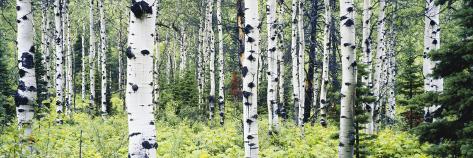
Most of the Clan's population in trees is Birch trees.
Dens
The Medicine Cat's den

The Apprentice's den

The Warrior's Den

The Nursery

The Elder's Den

The Leader's Den

Last edited by sHa-ZAM! XD on Fri May 10, 2013 10:40 am, edited 1 time in total.
S M I L E and D R E A M
O N
O N
-
sHa-ZAM! XD - Posts: 1358
- Joined: Mon Aug 22, 2011 12:48 pm
- My pets
- My items
- My wishlist
- My gallery
- My scenes
- My dressups
- Trade with me
Re: ~Birchclan~ V.2 Accepting!
by sHa-ZAM! XD » Mon Apr 22, 2013 3:19 am
---WARRIOR TALK---
Apprentice: a cat that is over six months old that is training to become either a warrior or medicine cat, name ends in paw
Bee - brain: an insult; not very offensive, usually said in a playful meaning
Badger breath: an insult; very offensive, yet not as insulting as fox dung
Crowfood: rotting food
Deputy: the cat appointed by the leader to be next to become leader when the leader joins the ranks of starclan
Elder: a retired warrior or medicine cat who is respected by the whole clan
Foxdung: an insult; stronger offense then mousebrain
Fox legnth: roughly a yard
Fresh - Kill: recently killed prey
Gatherings: a meeting the clans hold every full moon in peace
Greencough: severe chest infection, which can be fatal in elders and young kits
Greenleaf: summer
Greenleaf Twolegplace: a place where humans visit only in the summer (a campsite, resort, etc)
Halfbridge: a dock
Horseplace: fields and stables where half - tamed cats, horses, sheep, goats, chickens, pigs, and cows live
Housefolk: a house cat's word for it's humans
Kit: a cat that is less than six months old, name ends in kit
Kitten step: less than an inch
Kittypet: a house cat
Leader: the cat who is chosen to lead his or her clan and is given nin lives by starclan, a cat of MAJOR responsibility, name ends in star
Leaf - bare: winter
Leaf - fall: fall
Lionclan: one of the four ancient clans of the forest
Loner: a cat that lives peacefully on it's own in one place but doesn't defend it's territory
Medicine Cat: a cat who is specially trained in the ways of healing and treating sick and injured cat and recieving dreams from starclan
Monster: usually refers to human machines such as cars and bulldozers
Moonhigh: midnight
Mouse - brained: not very smart
Mouse dung: an insult; stronger then mouse - brain, but not as offensive as fox - dung.
Mouse legnth: roughly an inch
Newleaf: spring
Nofurs: another word for humans, not used by clan cats
One moon: one month (half moon = two weeks, quarter moon = one week)
Queen: a female cat expecting or currently caring for kittens
Rabbit legnth: roughly a foot
Rogue: a potentially hostile who lives outside the clans never spends too long in one place
Sharing tongues: term used to describe cats grooming each other
She - cat: a female cat
Silverpelt: the milky way
Starclan: the clan's warrior ancestors who have died
Sun - drown place: the sea to the west, where the sun sets
Sunhigh: noon
Sunrise: when the sun comes up over the horizon in the morning
Tail legnth: roughly a foot
Thunderpath: a road
Tom: a male cat
Tree - eater: bulldozer
Twoleg nest: a human house
Medicines and Herbs
Alder Bark - a good herb to cure toothaches
Alfalfa - used to protect against tooth decay
Aloe Vera - the leaves are used to treat burns and skin conditions; must be applied directly to skin as eating this herb is fatal
Ash Bark - applied to snakebites to counter poison; the seeds are used as a painkiller
Aspen Bark - soothes anxiety and stress
Basil - used against minor sprains and swellings, especially in joints
Birthwort - helps fight painful contractions; useful for queens giving birth
Black Willow - herb to bring down swelling; great for bee stings or nettle stings
Blessed Thistle - used for heart and lung problems
Borage - increases nursing queen supply of milk; can also bring down fever
Bramble - sap is used to heal shock and distress; can help cats sleep
Broken Rosemary - can combat eye ailments
Broom - can help cure broken legs and wounds
Burdock Root - great for rat bites; cures infection; can also help with aching or stiff joints
Catchweed - used to keep freshly-applied poultices on
Catnip/Catmint - great for curing greencough, will stop runny noses and eyes
Celandine - helps heal eye ailments
Chamomile - fragrant herb; can help calm a cat and steady emotions
Chapparal - used for skin conditions
Chervil - juice can be used for infected wounds; chewing roots cures bellyache
Chickweed - can help cure fever
Cobweb - stops bleeding and cleans wound
Coltsfoot - helps shortness of breath
Comfrey - roots used to mend broken bones and/or soothe wounds
Daisy - will loosen up aching joints
Dandelion - can help with stomach or liver problems, highly nutritional
Dock - chewed and applied to soothe scratches
Dried Oak Leaf - stops infections; store in warm, dry place
Echinacia - stops infections
Ferns - used to clean wounds; also useful as an effective bedding; must not be consumed as it is fatal
Feverfew - cools body temperature, good for fever and chills
Ginger - cough and throat condition relief
Goldenrod - great for healing critical wounds
Hawthorne Berries - used for heart conditions; easily confused with yew berries or deathberries
Heather - the nectar is used to improve flavor of bitter-tasting herbs; useful in dealing with stubborn kits
Holly Berries - no medicinal value; a poison
Honey - soothes infections or hoarse throats
Hornbeam - treats depression
Horsetail - treats infected wounds
Huckleberry - soothes wounds and infections
Iris - petals are crushed and used to stimulate breathing
Juniper Berries - soothe bellyaches and help cats who have trouble breathing; also good for strength
Lamb's Ears - an herb similar to ragwort, good for giving weakened cats strength
Lavender - cures fever
Lotus - roots are used to keep cats alert and awake
Marigold - chewed into poultice; stops infection
Milkweed - sap can be applied to skin conditions such as burns or sores; plant must not be eaten or consumed for remedies as it is potentially fatal to cats
Mouse Bile - remedy for ticks; soaked in moss and dabbed on affected area; wash paws thoroughly in running water afterward
Mud - used to soothe insect stings; should be applied wet and left to dry later
Nettle Seed - helps bring down swelling
Nightshade - no medicinal value; a poison
Parsley - cuts off a nursing queen's milk supply if a queen's kits die or need other nourishment
Poppy Seeds - helps cats sleep; soothes shock and distress; not recommended for nursing queens
Ragwort - herb for strength; best used for pregnant or nursing she-cats
Rushes - used to bind broken limbs
Sacred Root - can help against stomach or indigestion problems
Skullcap - seeds are used for strength
Snakeroot - a good herb for countering poison
Snapdragon - seeds are a good remedy for kitten cough
Tansy - cures coughs; eat in small doses; in the mountains, it can be used for scratches and open wounds
Tormentil - mountain herb; the root is used for scratches and to heal infections
Thyme - calms anxiety and frayed nerves
Watermint - cures bellyache
Wild Garlic - rolling in a patch will prevent infection; great for rat bites
Willow Bark - soothes itches and ailments of the eyes
Windflower - shoots can soothe cramps
Wintergreen - mountain herb; helps cure wounds
Witch Hazel - used for strength
Wormwood - pain reliever; must be eaten
Yarrow - applied to scratches; can help expel poison
Yew Berries - also known as deathberries; not a medicine but can be used to revive warriors from the most critical wounds in times of great need
Shortcuts:
These are poultices to be used in common situations. In cases of kits, elders, or particularly affected cats, Poppy Seeds may be added to any mixture other than in the case of she-cats giving birth. Heather and/or Honey may be added to sweeten the mixture for younger cats. If a cat seems traumatized or particularly shocked, strengthening herbs maybe added to any of the following mixtures:
Traveling Herb Poultice - Coltsfoot, Lamb's Ears, Ragwort, Lotus, Skullcap, Witch Hazel, Juniper Berries
Distressed or Shocked Cats - Aspen Bark, Chamomile, Coltsfoot, Thyme, Ragwort, Juniper Berries, Hornbeam, Bramble (sap), Iris
Broken Limbs - Basil, Broom, Wormwood, Juniper Berries, Witch Hazel, Thyme, Nettle Seed, Lamb's Ears, Marigold, Rushes, Comfrey, Daisy
Open Wounds - Marigold, Horsetail, Ferns, Cobwebs, Wormwood, Wintergreen, Tansy, Yarrow, Huckleberry, Honey, Goldenrod, Echinacia, Comfrey, Dock, Chervil, Burdock Root, Dried Oak Leaves, Tormentil
Bee/Nettle Stings - Mud, Aloe Vera, Basil, Chapparal, Cobwebs, Dock, Milkweed, Nettle Seed, Marigold, Skullcap, Black Willow
Snake Bites - Snakeroot, Aloe Vera, Chervil, Dock, Marigold, Ash Bark, Chapparal, Cobwebs, Milkweed, Lamb's Ears, Juniper Berries, Nettle Seed, Popy Seed, Wild Garlic
Birthing Queens - Borage, Chamomile, Birthwort, Skullcap, Juniper Berries, Ragwort, Thyme, Coltsfoot, Witch Hazel, Wormwood, Windflower, Iris
Fever/Sickness - Lavender, Chickweed, Feverfew, Tansy, Ginger, Honey, Poppy Seeds, Skullcap, Juniper Berries, Snapdragon, Lamb's Ears, Witch Hazel, Iris, Borage
Greencough - Lavender, Catnip, Chickweed, Feverfew, Tansy, Honey, Ginger, Poppy Seeds, Juniper Berries, Witch Hazel, Snapdragon, Lamb's Ears, Iris, Borage
Bellyache - Sacred Root, Juniper Berries, Watermint, Chervil
Eye Problems - Celandine, Broken Rosemary, Willow Bark, Juniper Berries
Apprentice: a cat that is over six months old that is training to become either a warrior or medicine cat, name ends in paw
Bee - brain: an insult; not very offensive, usually said in a playful meaning
Badger breath: an insult; very offensive, yet not as insulting as fox dung
Crowfood: rotting food
Deputy: the cat appointed by the leader to be next to become leader when the leader joins the ranks of starclan
Elder: a retired warrior or medicine cat who is respected by the whole clan
Foxdung: an insult; stronger offense then mousebrain
Fox legnth: roughly a yard
Fresh - Kill: recently killed prey
Gatherings: a meeting the clans hold every full moon in peace
Greencough: severe chest infection, which can be fatal in elders and young kits
Greenleaf: summer
Greenleaf Twolegplace: a place where humans visit only in the summer (a campsite, resort, etc)
Halfbridge: a dock
Horseplace: fields and stables where half - tamed cats, horses, sheep, goats, chickens, pigs, and cows live
Housefolk: a house cat's word for it's humans
Kit: a cat that is less than six months old, name ends in kit
Kitten step: less than an inch
Kittypet: a house cat
Leader: the cat who is chosen to lead his or her clan and is given nin lives by starclan, a cat of MAJOR responsibility, name ends in star
Leaf - bare: winter
Leaf - fall: fall
Lionclan: one of the four ancient clans of the forest
Loner: a cat that lives peacefully on it's own in one place but doesn't defend it's territory
Medicine Cat: a cat who is specially trained in the ways of healing and treating sick and injured cat and recieving dreams from starclan
Monster: usually refers to human machines such as cars and bulldozers
Moonhigh: midnight
Mouse - brained: not very smart
Mouse dung: an insult; stronger then mouse - brain, but not as offensive as fox - dung.
Mouse legnth: roughly an inch
Newleaf: spring
Nofurs: another word for humans, not used by clan cats
One moon: one month (half moon = two weeks, quarter moon = one week)
Queen: a female cat expecting or currently caring for kittens
Rabbit legnth: roughly a foot
Rogue: a potentially hostile who lives outside the clans never spends too long in one place
Sharing tongues: term used to describe cats grooming each other
She - cat: a female cat
Silverpelt: the milky way
Starclan: the clan's warrior ancestors who have died
Sun - drown place: the sea to the west, where the sun sets
Sunhigh: noon
Sunrise: when the sun comes up over the horizon in the morning
Tail legnth: roughly a foot
Thunderpath: a road
Tom: a male cat
Tree - eater: bulldozer
Twoleg nest: a human house
Medicines and Herbs
Alder Bark - a good herb to cure toothaches
Alfalfa - used to protect against tooth decay
Aloe Vera - the leaves are used to treat burns and skin conditions; must be applied directly to skin as eating this herb is fatal
Ash Bark - applied to snakebites to counter poison; the seeds are used as a painkiller
Aspen Bark - soothes anxiety and stress
Basil - used against minor sprains and swellings, especially in joints
Birthwort - helps fight painful contractions; useful for queens giving birth
Black Willow - herb to bring down swelling; great for bee stings or nettle stings
Blessed Thistle - used for heart and lung problems
Borage - increases nursing queen supply of milk; can also bring down fever
Bramble - sap is used to heal shock and distress; can help cats sleep
Broken Rosemary - can combat eye ailments
Broom - can help cure broken legs and wounds
Burdock Root - great for rat bites; cures infection; can also help with aching or stiff joints
Catchweed - used to keep freshly-applied poultices on
Catnip/Catmint - great for curing greencough, will stop runny noses and eyes
Celandine - helps heal eye ailments
Chamomile - fragrant herb; can help calm a cat and steady emotions
Chapparal - used for skin conditions
Chervil - juice can be used for infected wounds; chewing roots cures bellyache
Chickweed - can help cure fever
Cobweb - stops bleeding and cleans wound
Coltsfoot - helps shortness of breath
Comfrey - roots used to mend broken bones and/or soothe wounds
Daisy - will loosen up aching joints
Dandelion - can help with stomach or liver problems, highly nutritional
Dock - chewed and applied to soothe scratches
Dried Oak Leaf - stops infections; store in warm, dry place
Echinacia - stops infections
Ferns - used to clean wounds; also useful as an effective bedding; must not be consumed as it is fatal
Feverfew - cools body temperature, good for fever and chills
Ginger - cough and throat condition relief
Goldenrod - great for healing critical wounds
Hawthorne Berries - used for heart conditions; easily confused with yew berries or deathberries
Heather - the nectar is used to improve flavor of bitter-tasting herbs; useful in dealing with stubborn kits
Holly Berries - no medicinal value; a poison
Honey - soothes infections or hoarse throats
Hornbeam - treats depression
Horsetail - treats infected wounds
Huckleberry - soothes wounds and infections
Iris - petals are crushed and used to stimulate breathing
Juniper Berries - soothe bellyaches and help cats who have trouble breathing; also good for strength
Lamb's Ears - an herb similar to ragwort, good for giving weakened cats strength
Lavender - cures fever
Lotus - roots are used to keep cats alert and awake
Marigold - chewed into poultice; stops infection
Milkweed - sap can be applied to skin conditions such as burns or sores; plant must not be eaten or consumed for remedies as it is potentially fatal to cats
Mouse Bile - remedy for ticks; soaked in moss and dabbed on affected area; wash paws thoroughly in running water afterward
Mud - used to soothe insect stings; should be applied wet and left to dry later
Nettle Seed - helps bring down swelling
Nightshade - no medicinal value; a poison
Parsley - cuts off a nursing queen's milk supply if a queen's kits die or need other nourishment
Poppy Seeds - helps cats sleep; soothes shock and distress; not recommended for nursing queens
Ragwort - herb for strength; best used for pregnant or nursing she-cats
Rushes - used to bind broken limbs
Sacred Root - can help against stomach or indigestion problems
Skullcap - seeds are used for strength
Snakeroot - a good herb for countering poison
Snapdragon - seeds are a good remedy for kitten cough
Tansy - cures coughs; eat in small doses; in the mountains, it can be used for scratches and open wounds
Tormentil - mountain herb; the root is used for scratches and to heal infections
Thyme - calms anxiety and frayed nerves
Watermint - cures bellyache
Wild Garlic - rolling in a patch will prevent infection; great for rat bites
Willow Bark - soothes itches and ailments of the eyes
Windflower - shoots can soothe cramps
Wintergreen - mountain herb; helps cure wounds
Witch Hazel - used for strength
Wormwood - pain reliever; must be eaten
Yarrow - applied to scratches; can help expel poison
Yew Berries - also known as deathberries; not a medicine but can be used to revive warriors from the most critical wounds in times of great need
Shortcuts:
These are poultices to be used in common situations. In cases of kits, elders, or particularly affected cats, Poppy Seeds may be added to any mixture other than in the case of she-cats giving birth. Heather and/or Honey may be added to sweeten the mixture for younger cats. If a cat seems traumatized or particularly shocked, strengthening herbs maybe added to any of the following mixtures:
Traveling Herb Poultice - Coltsfoot, Lamb's Ears, Ragwort, Lotus, Skullcap, Witch Hazel, Juniper Berries
Distressed or Shocked Cats - Aspen Bark, Chamomile, Coltsfoot, Thyme, Ragwort, Juniper Berries, Hornbeam, Bramble (sap), Iris
Broken Limbs - Basil, Broom, Wormwood, Juniper Berries, Witch Hazel, Thyme, Nettle Seed, Lamb's Ears, Marigold, Rushes, Comfrey, Daisy
Open Wounds - Marigold, Horsetail, Ferns, Cobwebs, Wormwood, Wintergreen, Tansy, Yarrow, Huckleberry, Honey, Goldenrod, Echinacia, Comfrey, Dock, Chervil, Burdock Root, Dried Oak Leaves, Tormentil
Bee/Nettle Stings - Mud, Aloe Vera, Basil, Chapparal, Cobwebs, Dock, Milkweed, Nettle Seed, Marigold, Skullcap, Black Willow
Snake Bites - Snakeroot, Aloe Vera, Chervil, Dock, Marigold, Ash Bark, Chapparal, Cobwebs, Milkweed, Lamb's Ears, Juniper Berries, Nettle Seed, Popy Seed, Wild Garlic
Birthing Queens - Borage, Chamomile, Birthwort, Skullcap, Juniper Berries, Ragwort, Thyme, Coltsfoot, Witch Hazel, Wormwood, Windflower, Iris
Fever/Sickness - Lavender, Chickweed, Feverfew, Tansy, Ginger, Honey, Poppy Seeds, Skullcap, Juniper Berries, Snapdragon, Lamb's Ears, Witch Hazel, Iris, Borage
Greencough - Lavender, Catnip, Chickweed, Feverfew, Tansy, Honey, Ginger, Poppy Seeds, Juniper Berries, Witch Hazel, Snapdragon, Lamb's Ears, Iris, Borage
Bellyache - Sacred Root, Juniper Berries, Watermint, Chervil
Eye Problems - Celandine, Broken Rosemary, Willow Bark, Juniper Berries
S M I L E and D R E A M
O N
O N
-
sHa-ZAM! XD - Posts: 1358
- Joined: Mon Aug 22, 2011 12:48 pm
- My pets
- My items
- My wishlist
- My gallery
- My scenes
- My dressups
- Trade with me
Re: ~Birchclan~ V.2 Accepting!
by sHa-ZAM! XD » Mon Apr 22, 2013 3:25 am
Bump!
S M I L E and D R E A M
O N
O N
-
sHa-ZAM! XD - Posts: 1358
- Joined: Mon Aug 22, 2011 12:48 pm
- My pets
- My items
- My wishlist
- My gallery
- My scenes
- My dressups
- Trade with me
Re: ~Birchclan~ V.2 Accepting!
by Grakers » Mon Apr 22, 2013 3:38 am
{Image:}
{Cat's Name:}
NettlePaw
{Age:}
7 moons
{Gender:}
Tom
{Rank:}
Apprentice/Med. Cat Apprentice
{Wanted Rank:}
Eventually Warrior or Med. Cat.
{Crush:}
Later.
{Mate:}
Later.
{Kits:}
Nope.
{Personality:}
Quiet, Shy, and a little anti-social.
{Interests/Likes:}
Frogs. Running. Fish. Swimming.
{Looks:}
Black with white paws and chest. Deep blue eyes. Generally small.
{Other:}
He's not very good at fighting or hunting.
Put this on the wrong thread.
{Cat's Name:}
NettlePaw
{Age:}
7 moons
{Gender:}
Tom
{Rank:}
Apprentice/Med. Cat Apprentice
{Wanted Rank:}
Eventually Warrior or Med. Cat.
{Crush:}
Later.
{Mate:}
Later.
{Kits:}
Nope.
{Personality:}
Quiet, Shy, and a little anti-social.
{Interests/Likes:}
Frogs. Running. Fish. Swimming.
{Looks:}
Black with white paws and chest. Deep blue eyes. Generally small.
{Other:}
He's not very good at fighting or hunting.
Put this on the wrong thread.



-

Grakers - Posts: 491
- Joined: Mon Oct 31, 2011 9:13 am
- My pets
- My items
- My wishlist
- My gallery
- My scenes
- My dressups
- Trade with me
Re: ~Birchclan~ V.2 Accepting!
by sHa-ZAM! XD » Mon Apr 22, 2013 9:13 am
Gray Fullbuster wrote:{Image:}
{Cat's Name:}
NettlePaw
{Age:}
7 moons
{Gender:}
Tom
{Rank:}
Apprentice/Med. Cat Apprentice
{Wanted Rank:}
Eventually Warrior or Med. Cat.
{Crush:}
Later.
{Mate:}
Later.
{Kits:}
Nope.
{Personality:}
Quiet, Shy, and a little anti-social.
{Interests/Likes:}
Frogs. Running. Fish. Swimming.
{Looks:}
Black with white paws and chest. Deep blue eyes. Generally small.
{Other:}
He's not very good at fighting or hunting.
Put this on the wrong thread.
(Hahaha... Accepted.
 Welcome to Birchclan! c: )
S M I L E and D R E A M
O N
O N
-
sHa-ZAM! XD - Posts: 1358
- Joined: Mon Aug 22, 2011 12:48 pm
- My pets
- My items
- My wishlist
- My gallery
- My scenes
- My dressups
- Trade with me
Re: ~Birchclan~ V.2 Accepting!
by sHa-ZAM! XD » Mon Apr 22, 2013 9:50 am
bump! c:
S M I L E and D R E A M
O N
O N
-
sHa-ZAM! XD - Posts: 1358
- Joined: Mon Aug 22, 2011 12:48 pm
- My pets
- My items
- My wishlist
- My gallery
- My scenes
- My dressups
- Trade with me
Re: ~Birchclan~ V.2 Accepting!
by stripez » Mon Apr 22, 2013 10:00 am
Username: Stripez
cat name: Mistpaw
appearence (pic if possible):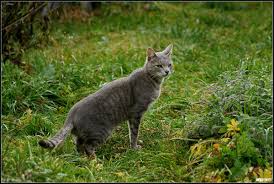
gender: Mistpaw is a pretty she-cat
rank: Mistpaw has just become an apprentice during the past moon, but she has always wished to be a medicine cat. She has a secret love for herbs, and she adores the den.
age: As said above, Mistpaw only turned into an apprentice one moon ago, so she is 7 moons of age
mate (if any): Mistpaw has no mate, but she would greatly love to have one.
Crush: Mistpaw has a secret crush on frostpaw
(queens only) kits: N/A
(warriors only) apprentice:N/A
(apprentices only) mentor: (unknown right now) anyone willing to mentor?
History: All of Mistpaw's kit mates died of greencough, so Mistpaw was an only-kit, a rare level in a litter. Mistpaw was raised by a loving mother that she cannot remember well, she can only remember the soft, soothing meows from her mother in the nursery. After a lovely childhood, Mistpaw was finally proclaimed an apprentice to ********
personality: Mistpaw is loving and respectfull to all cats from pretty much all clans, especially to her friends. She is only vicious when she must be and she is only very moody or very energetic on some days, it depends on the past events. Overall, Mistpaw is a happy and cheerfull cat to be around

Name
Mudpaw
Gender
Mudpaw is a tom cat
Age
Mudpaw is 10 moons
Desired Rank
Mudpaw really wants to be a deputy
Rank
Mudpaw is currently an apprentice
Personality
Mudpaw is pretty fun and enjoyable cat to be around. Though he is cautious at times when he needs to be, he can be vicious when it means protecting his clan and he is quite respectfull to every cat.
History
Crush
Mudpaw has a crush on no one yet....
Mate
Kits
Other

cat name: Mistpaw
appearence (pic if possible):
gender: Mistpaw is a pretty she-cat
rank: Mistpaw has just become an apprentice during the past moon, but she has always wished to be a medicine cat. She has a secret love for herbs, and she adores the den.
age: As said above, Mistpaw only turned into an apprentice one moon ago, so she is 7 moons of age
mate (if any): Mistpaw has no mate, but she would greatly love to have one.
Crush: Mistpaw has a secret crush on frostpaw
(queens only) kits: N/A
(warriors only) apprentice:N/A
(apprentices only) mentor: (unknown right now) anyone willing to mentor?
History: All of Mistpaw's kit mates died of greencough, so Mistpaw was an only-kit, a rare level in a litter. Mistpaw was raised by a loving mother that she cannot remember well, she can only remember the soft, soothing meows from her mother in the nursery. After a lovely childhood, Mistpaw was finally proclaimed an apprentice to ********
personality: Mistpaw is loving and respectfull to all cats from pretty much all clans, especially to her friends. She is only vicious when she must be and she is only very moody or very energetic on some days, it depends on the past events. Overall, Mistpaw is a happy and cheerfull cat to be around
Name
Mudpaw
Gender
Mudpaw is a tom cat
Age
Mudpaw is 10 moons
Desired Rank
Mudpaw really wants to be a deputy
Rank
Mudpaw is currently an apprentice
Personality
Mudpaw is pretty fun and enjoyable cat to be around. Though he is cautious at times when he needs to be, he can be vicious when it means protecting his clan and he is quite respectfull to every cat.
History
Crush
Mudpaw has a crush on no one yet....
Mate
Kits
Other
█
█
█
█
█
█
█
█
█
█
█
█
█
█
█
█
█
█
█
█
█
█
█
█
█
█
█
█
█

▐
▐
▐
▐
▐
▐
▐
▐
▐
▐
▐
▐
▐
▐
▐
▐
▐
▐
▐
▐
▐
▐
▐
▐
▐
▐
▐
▐
▐

┏xxxxxxxxxxxxxxxxxxxxxx┓
sar ദ്ദി(・ᴗ・)
adult, canadian
kpop gg stan, cat mom
ฅᵔ•ﻌ•ᵔฅ chaeyoung's gf
┖xxxxxxxxxxxxxxxxxxxxxx┚

▐
▐
▐
▐
▐
▐
▐
▐
▐
▐
▐
▐
▐
▐
▐
▐
▐
▐
▐
▐
▐
▐
▐
▐
▐
▐
▐
▐
▐

▀
▀
▀
▀
▀
▀
▀
▀
▀
▀
▀
▀
▀
▀
▀
▀
▀
▀
▀
▀
▀
▀
▀
▀
▀
▀
▀
▀
▀
▀
▀

hello, we up
run this city
yo
so good, 알지?
yeah, i'm litty
yo
이 순간 탁 트인
복잡한 도시 위
fanfare, hands
in the air, woo
┖xxxxxxxx┚
▀
▀
▀
▀
▀
▀
▀
▀
▀
▀
▀
▀
▀
▀
▀
▀
▀
▀
▀
▀
▀
▀
▀
▀
▀
▀
▀
▀
▀
▀
▀
█
█
█
█
█
█
█
█
█
█
█
█
█
█
█
█
█
█
█
█
█
█
█
█
█
█
█
█
█
-

stripez - Posts: 15886
- Joined: Sun Oct 07, 2012 6:10 am
- My pets
- My items
- My wishlist
- My gallery
- My scenes
- My dressups
- Trade with me
Re: ~Birchclan~ V.2 Accepting!
by sHa-ZAM! XD » Mon Apr 22, 2013 12:05 pm
stripez wrote:Username: Stripez
cat name: Mistpaw
appearence (pic if possible):
gender: Mistpaw is a pretty she-cat
rank: Mistpaw has just become an apprentice during the past moon, but she has always wished to be a medicine cat. She has a secret love for herbs, and she adores the den.
age: As said above, Mistpaw only turned into an apprentice one moon ago, so she is 7 moons of age
mate (if any): Mistpaw has no mate, but she would greatly love to have one.
Crush: Mistpaw has a secret crush on frostpaw
(queens only) kits: N/A
(warriors only) apprentice:N/A
(apprentices only) mentor: (unknown right now) anyone willing to mentor?
History: All of Mistpaw's kit mates died of greencough, so Mistpaw was an only-kit, a rare level in a litter. Mistpaw was raised by a loving mother that she cannot remember well, she can only remember the soft, soothing meows from her mother in the nursery. After a lovely childhood, Mistpaw was finally proclaimed an apprentice to ********
personality: Mistpaw is loving and respectfull to all cats from pretty much all clans, especially to her friends. She is only vicious when she must be and she is only very moody or very energetic on some days, it depends on the past events. Overall, Mistpaw is a happy and cheerfull cat to be around
Name
Mudpaw
Gender
Mudpaw is a tom cat
Age
Mudpaw is 10 moons
Desired Rank
Mudpaw really wants to be a deputy
Rank
Mudpaw is currently an apprentice
Personality
Mudpaw is pretty fun and enjoyable cat to be around. Though he is cautious at times when he needs to be, he can be vicious when it means protecting his clan and he is quite respectfull to every cat.
History
Crush
Mudpaw has a crush on no one yet....
Mate
Kits
Other
(Is there any chance you can use my forum? XD )
S M I L E and D R E A M
O N
O N
-
sHa-ZAM! XD - Posts: 1358
- Joined: Mon Aug 22, 2011 12:48 pm
- My pets
- My items
- My wishlist
- My gallery
- My scenes
- My dressups
- Trade with me
Who is online
Users browsing this forum: No registered users and 0 guests