

Have fun
Pterohippi are the modern development of my old species Equus avis. There is some more old species info here.
You can do what you want with them and develop them how you like.
This is a sci-fi/ science fantasy species concept, but I realised that the way I had taxonomically classed Equus aves as part of the Equus family is lowkey unrealistic, so here's an updated phylogeny tree for the species and, hence, a new clade name: pterohippus, derived from the greek ptero (wing) + hippus (horse), meaning winged horse, in line with the naming of some of the earlier horse ancestors like eohippus.
PHYLOGENY TREE
(caveat- I might change this as I do more research)
Mammalia
└── Perissodactyla
....└── †Eohippus (extinct last common ancestor)
........├── Equinae
........│ └── Equus
........│ ...├── E. ferus
........│ ...└── E. caballus
........│
........└──†Aerohippus (extinct last common ancestor)
..........└── †Pterohippinae
.............├── Penequus (feathered wings)
.............│ └── P. gracilis
.............└── Pelequus (membranous wings)
............... └── P. noctis
† = extinct
DOMESTICATION
Penequus gracilis is the one pictured above, on account of its feathered wings and slender frame. You are more than welcome to head canon your own pterohippus species if you want other builds or features!
If you want domesticated winged horses with huge variations in phenotype (like modern dogs and horses) you can tack the "docilis" modifier on to the end of the species name, (like the "caballus" in Equus ferus caballus or the "domestica" in Columba livia domestica). This lets you get away with big variations without having to make a whole new species for what you want.
In the lore I've written, pterohippi are extinct, but it's up to each player to decide the lore for their own world. Did science bring them back to life, or have some secluded populations survived in secret?
BREEDING
If you want to play "realism" then individuals in the batwing genus and featherwing genus probably shouldn't be able to interbreed, and breeding for fertile offspring should happen within species (e.g penequus gracilis x penequus gracilis, etc.).
However, if you want to push reality a little bit and allow breeding between pterohippi of different genuses or between pterohippi and regular horses or other fantasy species, then feel free to go ham, and you can make up your own science or magic as to how this happens if you want.
EVOLUTION
How the wings and horselike phenotype developed.
Pterohippi are pseudo-horses. They share a common ancestor with horses, but they are not really horses; they have different behaviours, vocalisations, and digestive physiology. For example, they use mammalian chirping vocalisations and hunt and eat small mammals, birds, and insects. They evolved alongside horses, competing with them for grazing but found additional success in hunting, due to an intestinal adaptation which allowed them to digest insect and animal proteins. Their flight capabilities allowed them to hunt in the forest dwelling stage of their evolution, and later to travel greater distances at lower energy cost, circumventing rugged or difficult terrain to seek out fresh pasture.
The last common ancestor that pterohippi have with modern horses is the eohippus. Aerohippus then emerged, evolving small proto-wings that aided flying-insect and bird hunting through rapid flapping for increased off-ground lift while leaping. At this time, aerohippus was still a forest forager like eohippus.
After this, divergence in wing development started to appear, with some populations evolving membranous wings, and some developing feathered wings. It is thought that membranous wings were advantageous in hot climates due to the surface area available for heat dissipation, and feathered wings in cold due to their insulation properties.
The Penequus is the feathered variant, its name deriving from the latin penna (feather) and equus (horse).
The Pelequus is the membranous variant, its name deriving from the latin pellis (skin) and Equus (horse).
FOLKLORE
"Horse that moves on the upper winds"
I'm still workshopping common names for the species.
Remember, all these species 'rules' and lore are just guidelines that I made up! You are more than welcome to use the species motif (the design of the species) for whatever lore or stories you want to.
Anatomy Diagram for Penequus gracilis
Forum rules
Oekaki posts must follow our Rules for the Site and Forum,
including the Oekaki Rules and Art Rules.
Having trouble using oekaki? Check out the Oekaki Guide or send in a help ticket.
Oekaki posts must follow our Rules for the Site and Forum,
including the Oekaki Rules and Art Rules.
Having trouble using oekaki? Check out the Oekaki Guide or send in a help ticket.
Make your own Pterohippus by p-ond
| Artist | p-ond [gallery] |
| Time spent | 4 hours, 1 minute |
| Drawing sessions | 4 |
| 35 people like this | Log in to vote for this drawing |
Versions of this drawing that people have created recently
None yet! You can be the first to create your own version of this drawing!
7 posts
• Page 1 of 1
Make your own Pterohippus
 by p-ond » Sun Dec 14, 2025 4:01 am
Last edited by p-ond on Mon Dec 15, 2025 2:58 am, edited 45 times in total.
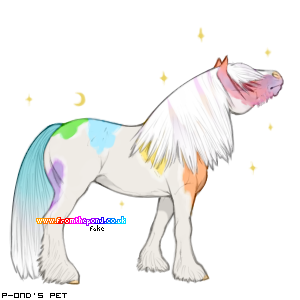
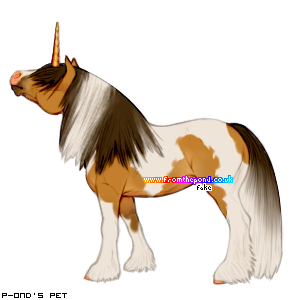
If you like my work and want to see more, please consider supporting me on my ko-fi!
p-ond, po_n_d or pondpondpond on most platforms <3
p-ond, po_n_d or pondpondpond on most platforms <3
-

p-ond - Posts: 2321
- Joined: Sat Jan 23, 2010 9:25 am
- My pets
- My items
- My wishlist
- My gallery
- My scenes
- My dressups
- Trade with me
Re: Make your own Pterohippus
by COOLDOGOOO » Sun Dec 14, 2025 4:10 am
ooh this is so cool, ive never heard of them befroe. MARK!!
┌─────────┐
 x│
x│
│
│
│
│
└─────────┘
│
│
│
│
│
│
│
│
│
.
x│
│
│
│
└─────────┘
┌───────────────────────┐
└───────────────────────┘
┌───────────────────────┐
MIGHT NOT BE AS ACTIVE AT COMMENTING
ON ART, SORRY!! hi! i go by any pronouns and any
nicknames (dogo, cd, cool idm!) :3
you might see me lurking around
the oekaki boards and species c:
[ my oekaki artshop ][ toyhou.se ]
│
│
│
│
│
│
└───────────────────────┘
 |
|└───────────────────────┘
┌───────────────────────┐
│
│
│
│
│
│
│
│
│
│
│
MIGHT NOT BE AS ACTIVE AT COMMENTING
ON ART, SORRY!! hi! i go by any pronouns and any
nicknames (dogo, cd, cool idm!) :3
you might see me lurking around
the oekaki boards and species c:
[ my oekaki artshop ][ toyhou.se ]
│
│
│
│
│
└───────────────────────┘
┌─────────┐
 x│
x│
│
│
│
│
└─────────┘
│
│
│
│
│
│
│
│
│
.
x│
│
│
│
└─────────┘
┌───────────────────────────┐ ┌──┐
└───────────────────────────┘ └──┘
└───────────────────────────┘ └──┘
-

COOLDOGOOO - Posts: 8525
- Joined: Thu Feb 24, 2022 7:50 am
- My pets
- My items
- My wishlist
- My gallery
- My scenes
- My dressups
- Trade with me
Re: Make your own Pterohippus
by 24Beaver01 » Sun Dec 14, 2025 4:39 am
OH MY LAWD I DIDNT KNOW I NEEDED THIS UNTIL NOW
Hi, you can call me Beaver. Stuff about me: Female, Ohio, I am shy and a very awkward person lol.
Trying to get back into the swing of things
Trying to get back into the swing of things
-

24Beaver01 - Posts: 4840
- Joined: Sun May 31, 2020 11:00 am
- My pets
- My items
- My wishlist
- My gallery
- My scenes
- My dressups
- Trade with me


-

AustrianAce - Posts: 9584
- Joined: Sat Jul 16, 2011 12:50 pm
- My pets
- My items
- My wishlist
- My gallery
- My scenes
- My dressups
- Trade with me
Re: Make your own Pterohippus
by Kruxly » Sun Dec 14, 2025 7:34 am
mark
✧ He / They / It ♘
-------𝕶𝖗𝖚𝖝𝖑𝖞

TH
Golden Shadow Stables
Cupido Drafts
Range Trotters
Buffalo Creek
New Dawn Chimkins
-
Golden Shadow Kennels
Beaumont Collies
Chicoons
-------𝕶𝖗𝖚𝖝𝖑𝖞
TH
Golden Shadow Stables
Cupido Drafts
Range Trotters
Buffalo Creek
New Dawn Chimkins
-
Golden Shadow Kennels
Beaumont Collies
Chicoons

-
Kruxly - Posts: 15713
- Joined: Mon Feb 02, 2009 5:34 am
- My pets
- My items
- My wishlist
- My gallery
- My scenes
- My dressups
- Trade with me
Re: Make your own Pterohippus
by finoodle » Sun Dec 14, 2025 9:58 am
AAAA POND THIS BRINGS BACK MEMORIESSS! I remember having an equus avis back in the day thanks for letting us use this!


-

finoodle - Posts: 5391
- Joined: Sun Feb 17, 2013 11:44 am
- My pets
- My items
- My wishlist
- My gallery
- My scenes
- My dressups
- Trade with me
Re: Make your own Pterohippus
by Kagome963 » Mon Dec 15, 2025 9:50 am
Big oh MARK!!
xx

█
█
█
█
█
█
█
█
█
█
█
█
█
█
█
█
█
█
█
█
█
X
┌────────┘♥└────────┐
Pepperoni ♡ Female ♡ Adult
Bi Curious ♡ Nightmare ♡ Married
She/Her Pronouns
Please call me Pepper
└────────┐♥┌────────┘

┌────────┘♥└────────┐
Mood::
Bored
Doing::
Netflix & Coding
└────────┐♥┌────────┘
Pepperoni ♡ Female ♡ Adult
Bi Curious ♡ Nightmare ♡ Married
She/Her Pronouns
Please call me Pepper
└────────┐♥┌────────┘
┌────────┘♥└────────┐
Mood::
Bored
Doing::
Netflix & Coding
└────────┐♥┌────────┘
█
█
█
█
█
█
█
█
█
█
█
█
█
█
█
█
█
█
█
█
█
X
CHARACTERS
┌─────┘♥└─────┐
CVR
Sales Barn
└─────┐♥┌─────┘
CREDIT
┌─────┘♥└─────┐
Icon (C) Comfa
└─────┐♥┌─────┘

┌─────┘♥└─────┐
CVR
Sales Barn
└─────┐♥┌─────┘
CREDIT
┌─────┘♥└─────┐
Icon (C) Comfa
└─────┐♥┌─────┘
█
█
█
█
█
█
█
█
█
█
█
█
█
█
█
█
█
█
█
█
█
-

Kagome963 - Posts: 21656
- Joined: Tue Sep 23, 2008 7:37 am
- My pets
- My items
- My wishlist
- My gallery
- My scenes
- My dressups
- Trade with me
7 posts
• Page 1 of 1
Who is online
Users browsing this forum: bsktofbooks and 0 guests