
Create a Village - V.1 Closed and Under Construction
[ one. // 1. ] valourae sol
 by carpe noctem. » Sun Dec 10, 2017 3:52 pm


total population: one
♂ = 0 | ♀ = 1
servings necessary one half. (Don't need to feed until post. 5)
people = 1/2 serving | pets = 0
next visit to the temple now
[url]archive[/url] | introduction post
♂ = 0 | ♀ = 1
servings necessary one half. (Don't need to feed until post. 5)
people = 1/2 serving | pets = 0
next visit to the temple now
[url]archive[/url] | introduction post
- long silk robes drifted along the smooth marble floor of the large room, passing through the arched beam door that led onto the private terrace. A gentle breeze ruffled the silks as the owner of the robes stepped out onto the balcony, making them billow backwards like a cloud of dark purple smoke. The figure sauntered forwards to the railing, raising their arms in one fulid motion to gently grip the lightly coloured, ornate stone.
lifting the dark purple & gold etched hood that masked the empress's face, she removed it from her head and let it drop to her back. With her entrancing pair of blue eyes now in view, the woman looked out onto the lavish buildings that were settled around a thick river, letting her eyes wander to the flowing waterfall just ahead of the stunning kingdom.
It was beautiful. The dawn's first glow of sunlight had peaked through the mountains behind the fall, a hazy stream of golden light bathing the waterfall. The sky had been painted a soft lilac around the golden light, and streaks of bloody scarlet decorating the sky.
The empress tapped the stone beneath her palms with almond-shaped nails, letting her full lips purse as she began to fall into a trance of focused thought. What would become of her newly-reborn kingdom, would she let it fall like the pervious, valirae? No, I mustn't allow such blasphemous thoughts. Kehlani scorned herself, brows tightening as the negative thoughts swelled in her mind. She would rise it into an victorious empire, and be the first sovereign of many to come.
A gust of warm spring air swept past the matriarch as she thought this, almost as though giving kehlani a small sign of assurance that she would succeed. Her cherry-red hair was pushed backwards, loose curls swaying for a moment before settling on her shoulders and back.
With one last glance to the flowing waterfall, Kehlani turned around and rather elegantly strode into her palace, purple and gold embellished silks fanning out behind her as she made her way out of the large, rather fancy building. Beneath her long, dark eyelashes, her blue eyes shone with a strong determination.
[ Kehlani goes scouting ]
[ Kehlani fishes at the fishery ]
[ Kehlani goes to the temple to request a major vanguard (patrol chief) ]
[ Kehlani fishes at the fishery ]
[ Kehlani goes to the temple to request a major vanguard (patrol chief) ]


- BATTALION
Name | Age | ♂/♀ |
↪ n/a/n
Name | Age | ♂/♀ |
↪ n/a/n
VANGUARD
Name | Age | ♂/♀ |
↪ n/a/n
Name | Age | ♂/♀ |
↪ n/a/n
HUNTSMEN
Name | Age | ♂/♀ |
↪ n/a/n
Name | Age | ♂/♀ |
↪ n/a/n
FORGERER
Name | Age | ♂/♀ |
↪ n/a/n
Name | Age | ♂/♀ |
↪ n/a/n
- TRAINEE
Name | Age | ♂/♀ |
↪ n/a/n
Name | Age | ♂/♀ |
↪ n/a/n
ASSESSOR
Name | Age | ♂/♀ |
↪ n/a/n
Name | Age | ♂/♀ |
↪ n/a/n
DAM
Name | Age | ♂/♀ |
↪ n/a/n
Name | Age | ♂/♀ |
↪ n/a/n
INFANT
Name | Age | ♂/♀ |
↪ n/a/n
Name | Age | ♂/♀ |
↪ n/a/n
▬▬▬▬▬▬▬▬▬▬▬▬▬▬▬▬▬▬▬▬▬▬▬
- Ally Villages:
Village Name | Username
Village Name | Username
Enemy Villages:
Village Name | Username
Village Name | Username
Borders:
North | Village Name | Username
↪️ thick forest
East | Village Name | Username
↪️ mountain
South | Village Name | Username
↪️ rivers & jungle
West | Village Name | Username
↪️ jungle
Food Storage:
crab | x0 | 1 serving
reef fish | x0 | 2 servings
parrot | x0 | 3 servings
greater kudu | x0 | 4 servings
tomato | x0 | 2 serving
pepper | x0 | 3 servings
pumpkin | x0 | 5 servings
passion fruit | x0 | 2 servings
pomegranate | x0 | 2 servings
mango | x0 | 3 servings
- Items:
Item Name | in use/ not used | When it will Perish
Item Name | in use/ not used | When it will Perish
Pets:
Pet Name | species | Age | Gender | [url=link]Looks[/url]
Pet Name | species | Age | Gender | [url=link]Looks[/url]
↪ types of pets (by rarity): dragons, tigers, cheetah,
leopards, clouded leopards, foxes, cattle, cats, dogs, horses.
Mentors:
Mentor | Apprentice | Profession | No. of training sessions |
↪ learned
Mentor | Apprentice | Profession | No. of training sessions |
↪ learned
Crushes:
→ = one-way
↔ = both like eachother
Deceased:
Name | Cause of Death
Name | Cause of Death
People No Longer In Valourae
name | reason of departure
name | reason of departure
Family:
Name and Name
↪️ Kids
Name and Name
↪️ Kids
-

carpe noctem. - Posts: 5582
- Joined: Tue Nov 08, 2016 11:43 am
- My pets
- My items
- My wishlist
- My gallery
- My scenes
- My dressups
- Trade with me
Re: Create a Village - V.1
by NightWolf950 » Sun Dec 10, 2017 5:07 pm

Number of People: 2 ( x males | 2 females)
Next visit with Ancestors: December 16th
Servings Needed: x
Note to self: 3 more posts (fasting days)
---
x
---
[Takeshi gathers food.
Adilya researches medicine.]
- Head Chief:
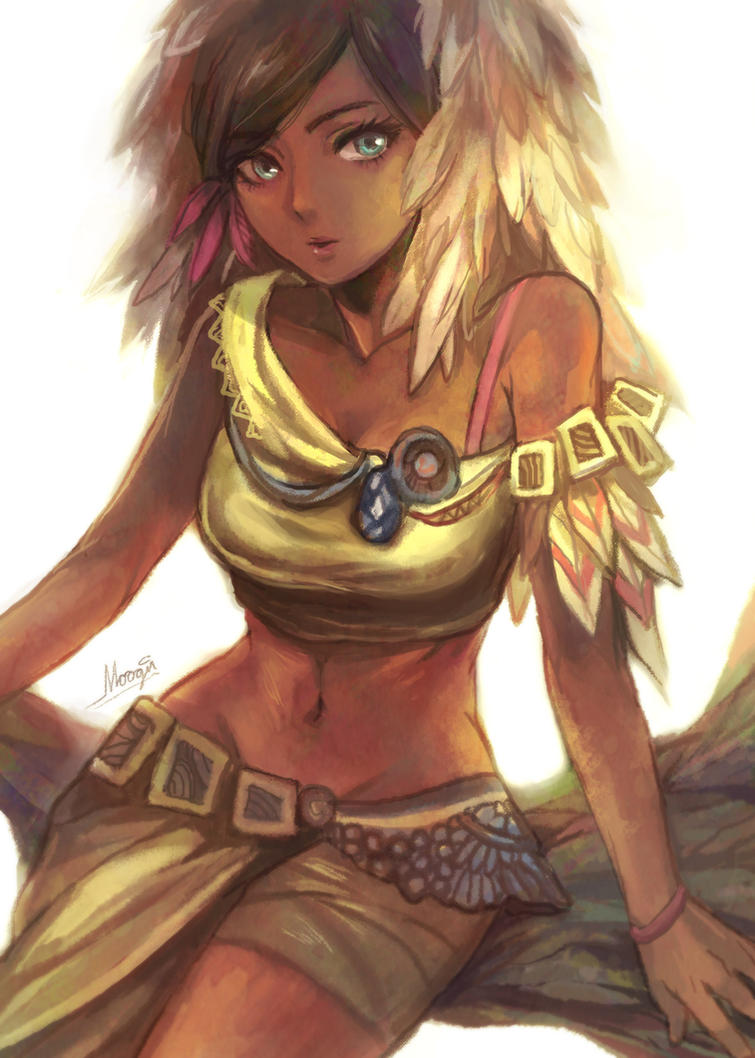
Takeshi | 29 | Female | Human
↪ ST-E8 | HC-94 | HS-S | EC-Green
Shaman:
Adilya | 24 | Female | 0 | Elf

↪ ST-B9 | HC-108 | HS-S | EC-Blue
War Chief:
Name | Age | Gender |
↪ n/a/n
Warriors:
Name | Age | Gender |
↪ n/a/n
Name | Age | Gender |
↪ n/a/n
Scout Chief:
Name | Age | Gender |
↪ n/a/n
Scouts:
Name | Age | Gender |
↪ n/a/n
Name | Age | Gender |
↪ n/a/n
Hunting Chief:
Name | Age | Gender |
↪ n/a/n
Hunters:
Name | Age | Gender |
↪ n/a/n
Name | Age | Gender |
↪ n/a/n
Gatherers:
Name | Age | Gender |
↪ n/a/n
Name | Age | Gender |
↪ n/a/n
Apprentices:
Name | Age | Gender |
↪ n/a/n
Name | Age | Gender |
↪ n/a/n
Testers:
Name | Age | Gender |
↪ n/a/n
Name | Age | Gender |
↪ n/a/n
Mothers:
Name | Age | Gender |
↪ n/a/n
Name | Age | Gender |
↪ n/a/n
Children:
Name | Age | Gender |
↪ n/a/n
Name | Age | Gender |
↪ n/a/n
Elders:
Name | Age | Gender |
↪ n/a/n
Name | Age | Gender |
↪ n/a/n
- Ally Villages:
Village Name | Username
Village Name | Username
Enemy Villages:
Village Name | Username
Village Name | Username
Borders:
North | Village Name | Username
East | Village Name | Username
South | Village Name | Username
West | Village Name | Username
Food Storage:
Rabbit | x0 | 1 serving
Deer | x0 | 3 servings
Seal | x0 | 3 servings
Sea bass | x0 | 2 servings
Potatoes | x0 | 3 servings
Cabbage | x0 | 3 servings
Onions | x0 | 2 servings
Apples | x1 | 2 servings
Grapes | x0 | 1 serving
Figs |x0 | 1 serving
Items:
Item Name | in use/ not used | When it will Perish
Item Name | in use/ not used | When it will Perish
Pets:
Pet Name | Type of Animal | Age | Gender | [url=link]Looks[/url]
Pet Name | Type of Animal | Age | Gender | [url=link]Looks[/url]
Mentors:
Mentor | Apprentice | Profession | No. of training sessions |
↪ learned
Mentor | Apprentice | Profession | No. of training sessions |
↪ learned
Deceased:
Name | Cause of Death
Name | Cause of Death
Family:
Name and Name | Kids
Name and Name | Kids
-

NightWolf950 - Posts: 10648
- Joined: Wed Jun 03, 2009 12:32 am
- My pets
- My items
- My wishlist
- My gallery
- My scenes
- My dressups
- Trade with me
Omniville [1]
by Chinch Bug » Sun Dec 10, 2017 8:26 pm
Omniville
Number of People: 1
Servings needed: 1
This...didn't look like much. Honestly, it looked like a breeze could easily knock it over. So much for trying to build a shelter. He plucked a feather from his arm, hissing from the sharp pain. Daniel twirled the light brown feather between his fingers, sighing heavily and sticking it into the failure of a shelter.
"So much for that." He looked around in the open fields, tall grass blown by a gentle breeze. "Next order of business. Food." He ran off in the direction of the forest he had seen before, where he came through, that parts the mountains.
Hiding under the trees felt nicer, but there wasn't space for shelters, homes in the thick woodland. He held a dagger in his hand, tight. Sticks and pebbles poked painfully into his bare feet as he slowly moved through the woods, looking around for either an animal to kill or edible plants to gather. He was overly aware of the red streak in his brown hair, though the brown wing-like feathering attached to his arms blended in about as well as his brown skin and the muted colours of his clothes did. Good.
[Daniel searches for food]
Number of People: 1
Servings needed: 1
This...didn't look like much. Honestly, it looked like a breeze could easily knock it over. So much for trying to build a shelter. He plucked a feather from his arm, hissing from the sharp pain. Daniel twirled the light brown feather between his fingers, sighing heavily and sticking it into the failure of a shelter.
"So much for that." He looked around in the open fields, tall grass blown by a gentle breeze. "Next order of business. Food." He ran off in the direction of the forest he had seen before, where he came through, that parts the mountains.
Hiding under the trees felt nicer, but there wasn't space for shelters, homes in the thick woodland. He held a dagger in his hand, tight. Sticks and pebbles poked painfully into his bare feet as he slowly moved through the woods, looking around for either an animal to kill or edible plants to gather. He was overly aware of the red streak in his brown hair, though the brown wing-like feathering attached to his arms blended in about as well as his brown skin and the muted colours of his clothes did. Good.
[Daniel searches for food]
- Head Chief:
Daniel | 22 | Male |
↪ ST-B9 / HC-108 / HS-HW / EC-DBrown
Buff-spotted flameback (Woodpecker)
Shaman:
Name | Age | Gender | Skill Number
↪ n/a/n
War Chief:
Name | Age | Gender |
↪ n/a/n
Warriors:
Name | Age | Gender |
↪ n/a/n
Name | Age | Gender |
↪ n/a/n
Scout Chief:
Name | Age | Gender |
↪ n/a/n
Scouts:
Name | Age | Gender |
↪ n/a/n
Name | Age | Gender |
↪ n/a/n
Hunting Chief:
Name | Age | Gender |
↪ n/a/n
Hunters:
Name | Age | Gender |
↪ n/a/n
Name | Age | Gender |
↪ n/a/n
Gatherers/Farmers:
Name | Age | Gender |
↪ n/a/n
Name | Age | Gender |
↪ n/a/n
Artisans:
Name | Age | Gender |
Job
↪ n/a/n
Name | Age | Gender |
Job
↪ n/a/n
Apprentices:
Name | Age | Gender |
↪ n/a/n
Name | Age | Gender |
↪ n/a/n
Mothers:
Name | Age | Gender |
↪ n/a/n
Name | Age | Gender |
↪ n/a/n
Children:
Name | Age | Gender |
↪ n/a/n
Name | Age | Gender |
↪ n/a/n
Elders:
Name | Age | Gender |
↪ n/a/n
Name | Age | Gender |
↪ n/a/n
- Ally Villages:
Village Name | Username
Village Name | Username
Enemy Villages:
Village Name | Username
Village Name | Username
Borders:
North | Village Name | Username
East | Village Name | Username
South | Village Name | Username
West | Village Name | Username
Food Storage:
BH sheep/Mutton | x0 | 3 servings each
Boar/Pork | x0 | 2 servings each
Rabbit | x0 | 1 serving each
Deer | x0 | 3 servings each
Cabbage | x0 | 4 servings each
Carrots | x0 | 2 servings each
Potatoes | x0 | 2 servings each
Apples | x0 | 2 servings each
Cherry | x0 | 1 serving each
Plum | x0 | 2 servings each
Items:
Item Name | in use/ not used | When it will Perish
Item Name | in use/ not used | When it will Perish
Pets:
Pet Name | Type of Animal | Age | Gender | [url=link]Looks[/url]
Pet Name | Type of Animal | Age | Gender | [url=link]Looks[/url]
Mentors:
Mentor | Apprentice | Profession | No. of training sessions |
↪ learned
Mentor | Apprentice | Profession | No. of training sessions |
↪ learned
Deceased:
Name | Cause of Death
Name | Cause of Death
Family:
Name and Name | Kids
Name and Name | Kids
Last edited by Chinch Bug on Mon Dec 11, 2017 7:45 am, edited 2 times in total.
- Chinch Bug
- Posts: 1118
- Joined: Sat Mar 04, 2017 10:28 am
- My pets
- My items
- My wishlist
- My gallery
- My scenes
- My dressups
- Trade with me
CaV - Nuudotkhyat
by Chamrosh » Sun Dec 10, 2017 10:10 pm
[Nuudotkhyat]
Geography
- - they have a vast territory, and as they can gather resources from such a wide area, they often work as traders between the other villages. Some years, if the weather favours them, they'll travel continental scales
- they have enough knowledge about canoes to be able cross water with their gear, though they prefer land travel
- they frequently head towards any villages in their territory, and will even stay practically next door if allowed
- good luck getting them lost
- they take obscure paths which are hard for everyone else to navigate, so good luck finding them, too - they spend a lot of time in remote mountain passes, and especially along these, there are many areas where they have sites they return to year upon year, (and eventually generation upon generation)
- tend to cherry pick technology from others they encounter, based on factors to do with nomadism. They favour tools that they can either reliably find other villages who would be willing to mend or replace them with, or that they can make themselves. This leads to them primarily having stone age style tools with the occasional far more high tech item
Religion
- -monotheistic - their god is essentially shaytan. They are nomadic for fear of him; the exact reasoning differs from person to person, but they all agree with each other's arguments
- they do not worship this god. they can give the illusion of worshiping him, in their ritual attempts to stop themselves being found
- they think people have free will because even a god doesn't have the same imagination as humans intending to cause each other harm for their entire lives. (war is the mother of invention)
- they use poison oracles for omens, using captured animals that are too small for food.
Politics
- - normally the chief is the previous chief's child. The heir is selected once the youngest is an apprentice, by a council made of all leadership roles, and a few elders. A chief can be removed similarly. The chief's direct relatives are preferred, but it's acceptable to pick a new family. There is no preference for any physical characteristics, but the chosen heir will have additional training once they're skilled in their chosen path, for a few years
- once the previous holder of a role dies or announces plans to retire, the replacement is chosen by council vote, with the chief having a larger sway than the other voters
- elected individuals are allowed to refuse
- if an elected individual is too young at the time that their predecessor dies, a regent is appointed in a similar manner
- once someone retires, whatever job they had, they will normally help with small associated tasks
Cuisine
- - they do not farm
- there are a very small number of crops in any sense, and all these have single periods which need activity, such as fruit trees, potatoes and bamboo
- no part of an animal is wasted. Because of the number of hollow bones and horns they have at the end of this process, there are a lot of musicians, reflecting their love of portable art forms
- they eat vast quantities of meat in the cold, and are unafraid to scavenge if it looks like the meat isn't infected with anything
- they enjoy eggs and honey when they can find them
- they are mostly lactose and alcohol intolerant, but they like cheese when they can find it, and will trade a lot to have some
- they like hot drinks
- they are very skilled at making preserves
(Originally) the staple foods consist of (I'll make a note of anything I add later if that's allowed at any point):
Main meats: caribou/reindeer, wild boar, blue sheep, water fowl
Main veg: fungi, potato, beans (esp. edamame/soy),
Main fruits: nuts, chalta (elephant apple), persimmon
Main crops
what do you mean, make vaguely sensible choices? Of course, stealing apples off elephants is a good idea
Culture
- - there is a strong appreciation for art. Everything is either a suitable size for carrying constantly or too big, and in acknowledgement of this, they tend to make a lot of art out of the natural environment. Some symbols are thought to make tracking them harder
- Gatherers are normally women, and Hunters are normally men. That said, it's not an enormous bias either way, and anyone would be welcome among any of the groups. Everyone is trained to fight (even small children), so although only a tiny minority are specialised in being warriors, the majority of the village will turn out in battles (children will never be infantry)
- Shamans are allowed to have children, but it's expected that they heavily prioritise medicine
- some individuals will take years off from the migration - there are numerous reasons for this, such as illness, injury, having just had a child, caring for a relative, being elderly and so on. This is considered to be okay as long as the majority of the group are still moving around, as they return to near enough the same routes regularly enough that they can remember the points to pick individuals up again. For this purpose, there are several highly secluded sites within the area they roam around in which have the ability to support very small numbers of people for a while, each with different structures within them. Each one only has around 3-4 buildings in, and all their blacksmithing abilities are linked to sites like these, hence making them rare
- the nomadic migrations, depending on which routes they are taking, normally last about a year or about 2 years. They'll often follow herd migrations for months at a time
- because of their nomadism, they cannot be materialistic. They struggle to cope with goods with no intrinsic value, and prefer direct goods trade. Normally, they'll only appreciate money for the artistic value. However, they are savvy enough about other village cultures to know that money can have a worth to others, and due to having nowhere to store any statistics, have to have very good memories for numbers. This means that their lack of ability to recognise the point of money does not make them easy scamming targets. They're actually pretty good hagglers and scammers themselves, as no one else knows how much value they actually assign to things. They will also trade in the service of helping people travel between places
- their kinship terminology is notably different to English, with recognition of cross cousins as a different type to parallel cousins and so on. I'm going to have to come up with these kinship terms, so they might not appear immediately, and I'll be using kinship algebra until then. Might end up basing the terms around the kinship algebra
- households tend to be flexible, and because individuals can adjust where they live up to daily, they will. Children will often live in a different relative's house at each camp, in order for them all to spend more time with others their own age
- houses are normally, apart from the rare more permanent buildings, very quickly disassemblable and rebuildable. Most adults are sufficiently skilled at erecting camp, that if they need to, a small group can erect one of their houses in about 10 minutes
Appearances
- - high mix of ethnic types, due to having an enormous range where they might meet new people, and a very egalitarian thinking between every individual means that the high mix is maintained throughout generations
- high racial mix, again due to their range
- everyone has long hair, except that when trainees become apprentices, they cut their hair short
- hair styles are generally very elaborate
- they don't like wearing bulky armour, as it's impractical yo travel around in. It's rare for them to wear any bulky armour that can't be made quickly or borrowed from nearby villages, which means they rarely go to war with more technologically advanced villages without allies with similar capabilities to their enemies
- hygiene is a big deal, and detours on routes to find good hot springs and bathing spots are very common and strongly appreciated. They don't like winter too much except in hot-spring rich regions as maintaining good hygiene becomes incredibly difficult
- because art either needs to be permanent enough that it can be left behind for a year and still be in tact, meant to be temporary, or entirely portable, there is a significant quantity of art within jewelry, hair-styles (including hair dyes), piercings, tattoos and scarification. Warriors will wear bodypaint while going into battle (at least when it's warm enough that they can have any skin exposed) showing their greatest feats. Most clothing has art work built into it in some capacity, and because most of their warm clothes are furs, the art work is primarily in embroidery
- burials (or "burials", if the deceased wishes) typically feature many grave goods, and jewelry is important among these. Individuals may have hundreds of beads buried with them when they die
Military
- - horses are enormously useful, and greatly valued, as a military tool as well as a transport tool. Their horses are generally treated as members of the family (if a family has one). A horse can earn just as much of a reputation in battle as a warrior can. Scouts will also use horses to work out if there is likely to be a military confrontation ahead of the main group as they travel, to help avoid any risks, but also to allow the group to prepare
- their natural technology level is comparable to late neolithic Southern Chinese populations. They are advanced stone tool users, with individuals being taught the basics of making stone tools from a very young age, and some individuals even making tools as a means to show off their artistic eyes in a practical-ish way. They are also highly skilled with the use of their stone tools. They use simple flint knives to cut bamboo when they find it as well - they generally use bamboo baskets for practical uses and clay pots for trade but both are proud arts
- wearing thick armour is generally not worthwhile if you're nomadic. They prefer using their wits to mean they don't need it if facing particularly well-armed opponents. Their trade links mean that they quite easily make allies. They will try to fight battles close enough to ally villages that they can ask their ally to supply them to fight off the incoming enemy, who they definitely didn't just lure in, or to use solely range weapons so they don't need to go near better blade technology, or to use clever tricks of the terrain to outsmart their opponents
- They trade for metal bladed weapons fairly regularly, as well as for talismans claimed to be associated with good luck, particularly in battle. The normal weapons they make, however, tend to be a lot more simple. When bamboo is available, they'll use it for making bladed weapons and arrow tips of brilliant sharpness, which are far lighter to use than stone tools. They'll use branches to make spears and javelins, and if there are enough stone flakes around, they'll attach a blade-shaped one to the tip of an unsharpened spear in combat to make a piercing weapon. If they have enough warning of a conflict, they'll often try to make their own natural armour, for instance using shells as scale mail components or using spare animal hide to make leather armour
- they'll often use animal horns to make trumpets which can be used as signals between their warriors
So I didn't want to have to remove the bullet point format, as I thought fitting this into actual proper paragraphs would be very long and tedious, but I might do that later. The village name is a mangling of various Asian languages' words for "Nomad", because I can be very imaginative. It's relatively pronounceable compared to the mangles I made for other words.
-

Chamrosh - Posts: 3152
- Joined: Wed Jan 07, 2015 5:19 am
- My pets
- My items
- My wishlist
- My gallery
- My scenes
- My dressups
- Trade with me
Re: Create a Village - V.1
by Phina D Wolf » Mon Dec 11, 2017 8:05 am

We are blessed to live in the time of peace and prosperity almost a century since the Ninth and final Pass on Pern. Our beautiful southern continent has been settled, and our old Hold was filled to overflowing with Pernese men, women and children. So many, that one man has been sent out to find a place to start a new Hold. The place he has selected is near the Black Rock River, and the newly founded black Rock Wear. The earth is rich, the river overflowing with fish, and the game is plentiful. Our Hold will grow and grow until there is not a man alive who has not heard of Redmire hold.
Food
Fruits - grapes, moonflower fruit, redfruit
Meat - bovines, porcines, fish (big, small)
Vegetables - carrots, corn, onion
Produce
Food - bovine meat, fish, porcine meat, wine
Items - glass, leather, wood items, cloth, raw ore, refined ore
Other - fire-lizard eggs, runnerbeasts
Bird - Birds-of-prey are used as messengers and help in finding seeds.
Bovine (cow) - Bovines are used to till the soil, get milk, and as meat.
Canine (dog) - Canines are used as guards and herders.
Feline (cat) - Felines are used to kill pests.
Fire-lizard - A novelty rediscovered in the Ninth Pass, a fire-lizard acts as a pet and messenger.
Runnerbeast (horse) - Runnerbeasts are used by runners and as racing animals.
-

Phina D Wolf - Posts: 1786
- Joined: Sat Sep 02, 2017 5:56 am
- My pets
- My items
- My wishlist
- My gallery
- My scenes
- My dressups
- Trade with me
Re: Create a Village - V.1
by Arya22 » Tue Dec 12, 2017 3:21 am
Cyrrane
Number of People: 2
(1 Female 1 Male)
Next visit with Ancestors: 16th of December
The hare in her hand, Myriam was walking back to her 'village' when she heard something. A crack in the undergrowth... Myriam froze and looked around quickly. "Who is it?" she asked loudly. She was scared, really. She was armed, although only with a small knife. For a few seconds, there was no sound. Then another crack sounded and something stumbled out of between the trees. A man! Dropping the hare, Myriam rushed forward to catch him before he fell. His eyes were closed and his breathing rasped. "Water..." he rasped. Eyes widening, Myriam unstopped the flask she had with her and let a thin trickle of water fall in the mans mouth. He drank silently and greedily. After drinking, the mans eyes closed and his breathing became a little more even. He had fallen asleep. Myriam gently laid him on the ground and looked at him curiously. He had vivid red hair, a slight beard, also red, and seemed a little older than her. In his thirties, maybe. Maybe... Maybe he could join her? Myriam decided to wait until he woke up.
A while later, Myriam was sharpening her knife while sitting on the ground. She was rather bored, but knew better than going away. The mysterious man stirred and Myriam looked at him. "Feeling better?" she asked. The man opened his mouth to answer, but he couldn't make a sound other than a rasp. "Oh!" Myriam exclaimed. "Here." she passed him the water flask and he drank again. After a while, the man handed her the flask again and bent his head. "Thank you milady... I am indebted to you." Myriam smiled gently and shook her head. "It's fine, anyone would have done this." the man looked up and a slight smile stretched his lips. It was just then that Myriam noticed his eyes. Red, like his hair. She shivered. "What is your name, and what were you doing here, without water?" the man sighed.
"My name is Aaron... Aaron Crawford. I was a hunter in a small village far from here." he started. "One day, I was tracking a bear. I went far from my village, too far... I normally wouldn't have, but this neat had killed too many of our people." Myriam waited impatiently for the rest of the story, although didn't press him. "alone, at night, is not a problem for me. But the bear had doubled back and was now hunting me. When he burst into my campsite I was not prepared. I had to flee, with only a torch, into the night. Days later, I am here. The bear lost me a long time ago but I had lost my campsite and with that, my supplies. I had no water... "
"There is a lake here, and a river too." Myriam cut him off. The idea that had been growing in her mind was now clear. "you could stay." Aaron looked at her and smiled again, bowing his head. "it would be an honor." thee was only one thing Myriam wasn't sure about. He had agreed. But didn't he belong to the other village? Didn't he have family, friends back there? Ignoring the uneasy feeling she had, she stood. "Can you stand? I'll show you to Cyrrane." Unsteadily, Aaron got to his feet and followed the dark-skinned woman to his new home.
~The next day~
The next morning, Myriam woke early. In the fresh spring air, she went to the edge of the cliff, overlooking the lake and forest beyond. All around, she could see birds flying and singing. Below, the lake glittered cheerfully. Myriam couldn't help a wide smile playing on her lips. This was her home now. "Miss?" a hesitant voice behind her asked. Myriam turned around. "what is it?" She asked Aaron. 'Well, two things actually. First, I hope you wouldn't mind if I asked your name? You know mine..." "Oh, I'm sorry! My name is Myriam, Myriam Sheherezad." As she said her last name, a foreign accent slipped into her voice. It was gone as soon as she spoke again. "What is the second thing?" "Well, since I'm in your village, that makes you the Chief. But what role will I take?"
Myriam paused for a second before answering. Of course, she had forgotten about this! Chief... That made her sound so old. "You told me that you were a hunter back in your village, isn't it? Well, you shall be my Hunting Chief!" It sounded so formal! "When we have more people in the village, you will watch and decide over the other hunters." Aaron bowed a little. "Thank you, Lady Sheherezad." Myriam laughed. "Oh, please call me Myriam!" And that is where, above the Ahl and the Wyst, the village of Cyrrane truly started becoming alive.
(Myriam goes scouting on south border
Aaron goes hunting)
Number of People: 2
(1 Female 1 Male)
Next visit with Ancestors: 16th of December
The hare in her hand, Myriam was walking back to her 'village' when she heard something. A crack in the undergrowth... Myriam froze and looked around quickly. "Who is it?" she asked loudly. She was scared, really. She was armed, although only with a small knife. For a few seconds, there was no sound. Then another crack sounded and something stumbled out of between the trees. A man! Dropping the hare, Myriam rushed forward to catch him before he fell. His eyes were closed and his breathing rasped. "Water..." he rasped. Eyes widening, Myriam unstopped the flask she had with her and let a thin trickle of water fall in the mans mouth. He drank silently and greedily. After drinking, the mans eyes closed and his breathing became a little more even. He had fallen asleep. Myriam gently laid him on the ground and looked at him curiously. He had vivid red hair, a slight beard, also red, and seemed a little older than her. In his thirties, maybe. Maybe... Maybe he could join her? Myriam decided to wait until he woke up.
A while later, Myriam was sharpening her knife while sitting on the ground. She was rather bored, but knew better than going away. The mysterious man stirred and Myriam looked at him. "Feeling better?" she asked. The man opened his mouth to answer, but he couldn't make a sound other than a rasp. "Oh!" Myriam exclaimed. "Here." she passed him the water flask and he drank again. After a while, the man handed her the flask again and bent his head. "Thank you milady... I am indebted to you." Myriam smiled gently and shook her head. "It's fine, anyone would have done this." the man looked up and a slight smile stretched his lips. It was just then that Myriam noticed his eyes. Red, like his hair. She shivered. "What is your name, and what were you doing here, without water?" the man sighed.
"My name is Aaron... Aaron Crawford. I was a hunter in a small village far from here." he started. "One day, I was tracking a bear. I went far from my village, too far... I normally wouldn't have, but this neat had killed too many of our people." Myriam waited impatiently for the rest of the story, although didn't press him. "alone, at night, is not a problem for me. But the bear had doubled back and was now hunting me. When he burst into my campsite I was not prepared. I had to flee, with only a torch, into the night. Days later, I am here. The bear lost me a long time ago but I had lost my campsite and with that, my supplies. I had no water... "
"There is a lake here, and a river too." Myriam cut him off. The idea that had been growing in her mind was now clear. "you could stay." Aaron looked at her and smiled again, bowing his head. "it would be an honor." thee was only one thing Myriam wasn't sure about. He had agreed. But didn't he belong to the other village? Didn't he have family, friends back there? Ignoring the uneasy feeling she had, she stood. "Can you stand? I'll show you to Cyrrane." Unsteadily, Aaron got to his feet and followed the dark-skinned woman to his new home.
~The next day~
The next morning, Myriam woke early. In the fresh spring air, she went to the edge of the cliff, overlooking the lake and forest beyond. All around, she could see birds flying and singing. Below, the lake glittered cheerfully. Myriam couldn't help a wide smile playing on her lips. This was her home now. "Miss?" a hesitant voice behind her asked. Myriam turned around. "what is it?" She asked Aaron. 'Well, two things actually. First, I hope you wouldn't mind if I asked your name? You know mine..." "Oh, I'm sorry! My name is Myriam, Myriam Sheherezad." As she said her last name, a foreign accent slipped into her voice. It was gone as soon as she spoke again. "What is the second thing?" "Well, since I'm in your village, that makes you the Chief. But what role will I take?"
Myriam paused for a second before answering. Of course, she had forgotten about this! Chief... That made her sound so old. "You told me that you were a hunter back in your village, isn't it? Well, you shall be my Hunting Chief!" It sounded so formal! "When we have more people in the village, you will watch and decide over the other hunters." Aaron bowed a little. "Thank you, Lady Sheherezad." Myriam laughed. "Oh, please call me Myriam!" And that is where, above the Ahl and the Wyst, the village of Cyrrane truly started becoming alive.
(Myriam goes scouting on south border
Aaron goes hunting)
- Head Chief:
Myriam Sheherezad | 22 | Female | Human

↪ ST-D7 / HC-48 / HS-HW / EC-DBrown
Shaman:
Name | Age | Gender | [url=image link]Race[/url] | Skill Number
↪ n/a/n
War Chief:
Name | Age | Gender | [url=image link]Race[/url]
↪ n/a/n
Warriors:
Name | Age | Gender | [url=image link]Race[/url]
↪ n/a/n
Name | Age | Gender | [url=image link]Race[/url]
↪ n/a/n
Scout Chief:
Name | Age | Gender | [url=image link]Race[/url]
↪ n/a/n
Scouts:
Name | Age | Gender | [url=image link]Race[/url]
↪ n/a/n
Name | Age | Gender | [url=image link]Race[/url]
↪ n/a/n
Hunting Chief:
Aaron Crawford | 31 | Male | Human

↪ ST-C3 / HC-69 / HS-S / EC-Red
Hunters:
Name | Age | Gender | [url=image link]Race[/url]
↪ n/a/n
Name | Age | Gender | [url=image link]Race[/url]
↪ n/a/n
Gatherers:
Name | Age | Gender | [url=image link]Race[/url]
↪ n/a/n
Name | Age | Gender | [url=image link]Race[/url]
↪ n/a/n
Apprentices:
Name | Age | Gender | [url=image link]Race[/url]
↪ n/a/n
Name | Age | Gender | [url=image link]Race[/url]
↪ n/a/n
Testers:
Name | Age | Gender | [url=image link]Race[/url]
↪ n/a/n
Name | Age | Gender | [url=image link]Race[/url]
↪ n/a/n
Mothers:
Name | Age | Gender | [url=image link]Race[/url]
↪ n/a/n
Name | Age | Gender | [url=image link]Race[/url]
↪ n/a/n
Children:
Name | Age | Gender | [url=image link]Race[/url]
↪ n/a/n
Name | Age | Gender | [url=image link]Race[/url]
↪ n/a/n
Elders:
Name | Age | Gender | [url=image link]Race[/url]
↪ n/a/n
Name | Age | Gender | [url=image link]Race[/url]
↪ n/a/n
- Ally Villages:
Village Name | Username
Village Name | Username
Enemy Villages:
Village Name | Username
Village Name | Username
Borders:
North | Description | Village Name | Username
East | Description | Village Name | Username
South | Description | Village Name | Username
West | Description | Village Name | Username
Food Storage:
(normally 2 servings every post but now in fasting period)
Deer | x0 | servings
Boar | x0 | servings
Hare | x1 | servings
Bovine | x0 | servings
Carrots | x0 | servings
Potatoes | x0 | servings
Mushrooms | x0 | servings
Apples | x0 | servings
Berries | x0 | servings
Melons | x0 | servings
Total: servings | years
Items:
Item Name | in use/ not used | When it will Perish
Item Name | in use/ not used | When it will Perish
Pets:
Pet Name | Type of Animal | Age | Gender | [url=link]Looks[/url]
Pet Name | Type of Animal | Age | Gender | [url=link]Looks[/url]
Mentors:
Mentor | Apprentice | Profession | No. of training sessions |
↪ learned
Mentor | Apprentice | Profession | No. of training sessions |
↪ learned
Deceased:
Name | Cause of Death
Name | Cause of Death
Crushes:
Name ->/<-> Name
Family:
Name and Name | Kids
Name and Name | Kids
Last edited by sun on Tue Dec 12, 2017 5:52 am, edited 1 time in total.
Reason: Fixed the code.
Reason: Fixed the code.
Bookworm | she/her | bi & demisexual
I am Arya22 and I'm a female who likes reading
Pm me to chat about anything at all!
Signature coded by Amburned. Thank you!!

I am Arya22 and I'm a female who likes reading
Pm me to chat about anything at all!
Signature coded by Amburned. Thank you!!
-

Arya22 - Posts: 18029
- Joined: Wed Oct 12, 2016 6:47 am
- My pets
- My items
- My wishlist
- My gallery
- My scenes
- My dressups
- Trade with me
Re: Create a Village - V.1
by killer romance. » Tue Dec 12, 2017 4:22 am

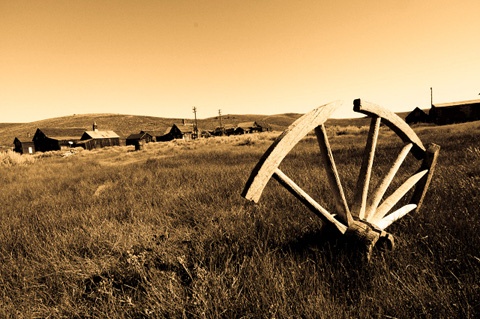
Under the beating sun of the desert lies a proud and sturdy cowboy village. It's name is Devil's Peak. It sits at the edge of a dry and unforgiving mountain range, where legend has it Satan himself wanders. Brave as the villagers are, none would ever dare venture out there. It would only mean certain death. Instead, their territory expands out west of the mountains, covering a vast expanse of dirt, cacti and fruitless trees. Not much is to be found out there, but the occasional forest or waterhole.
The village itself is situated right next to a waterhole in one of the few places with fertile soil. The buildings and houses are built mainly from wood and clay. The style is pretty much what you'd imagine a wild western town to look like, with dirt roads, rickety old buildings and horses. Horses are the peoples' preferred method of travel and just in general widely valued.
The people of Devil's Peak are not the wisest or most intelligent people you might hope to find, but they make up for this is braun. Collectively they are very loyal to one another and everyone has a will of iron. Weak minded people are generally shunned. They are very suspicious of outsiders and don't trust easily. At any sign of threat they will fight tooth and nail to defend themselves. Living in such a barren environment the townfolk have become very resourceful and build lots of weapons and simple machinery. It is neither patriarchal or matriarchal, and roles of people depend solely on ability and age.
The appearance of the people is quite varied as they were originated from travellers coming together, although the majority have developed pale or lightly tanned skin and black or brown hair, but generally they have toned builds thanks to their manual labour. They are all human.
Resources:
Vegetables :
Potatoes, beans, onions.
Fruit:
Apples, tomatoes, peaches.
Meat:
Mutton, cows, chickens, turkeys.
Special animals:
Horses, dogs, cats.
Materials:
Leather, sheepskin & wool, metal, wood, flint.
Last edited by killer romance. on Tue Dec 12, 2017 8:45 am, edited 1 time in total.



---(f o r . y a)---
❙
❙
❙
❙
❙
❙
❙
❙
❙
❙
❙
❙
❙
❙
❙
❙
❙
❙
❙
❙
❙
❙
❙
❙
❙
❙
❙
❙
❙

╭text text text text text╮
i'm miss brightside
the killers = life
brandon flowers <3
british female
the man - the killers
╰text text text text text╯
♂
--( y o u ' r e . l o o k i n g )--

❙
❙
❙
❙
❙
❙
❙
❙
❙
❙
❙
❙
❙
❙
❙
❙
❙
❙
❙
❙
❙
❙
❙
❙
❙
❙
❙
❙
❙


-

killer romance. - Posts: 8527
- Joined: Sun Nov 22, 2015 9:03 am
- My pets
- My items
- My wishlist
- My gallery
- My scenes
- My dressups
- Trade with me
Ame's Replies
by amethyst14 » Tue Dec 12, 2017 8:21 am
- Season: Spring
Weather: Snows from the previous winter has already begun to melt. Flooding does not seem to be an issue just yet. Prey will become plenty and the shrubs and crops that hold the other food will start to grow better. Predators are not a threat at this time and it will be common for your patrols to find nomads and people looking for a permanent place to call home.
____________________________________________________________________________________________________________________
| Easthaven Shiokaze | Mournstead | Caling | Ulrica | Dreamwind | Cyrrane | The Vale | Omniville | Valourae Sol | Black Rock Weyr | Nuudotkhyat | Redmire Hold |
____________________________________________________________________________________________________________________
NightWolf950 wrote:
[Takeshi gathers food.
Adilya researches medicine.]
- Takeshi gathered two potatoes with the help of a wandering gatherer.
The wandering gatherer is looking for a home.
Their traits are: ST-B3 / HC-64 / HS-LW / EC-Viloet / Nymph
Adilya gained one knowledge point.
Easthaven Shiokaze has 3 more fasting days.
X
- Myriam ran into a warrior and their spouse, a gatherer. They have no children.
Aaron caught a hare.
The warrior's traits are: ST-E3 / HC-130 / HS-LC / EC-DBrown / Elven
The gatherer's traits are: ST-A11 / HC-114 / HS-LC / EC-Red / Elven
Cyrrane has 3 more fasting days.
X
- The ancestors sent you a war chief!
Your leader has these traits: ST-A1 / HC-112 / HS-S / EC-DGreen / Sidhe
The Vale has 4 more fasting days.
-Servings: Deer(large) Sheep(medium) Salmon(large) Herring (medium) Oats(small) Turnips(medium) Cabbage(large) Apple(medium) berry(any of them are small) Peas(small)
(Please choose one type of berry, this is for the sake of seeds and trades later on, You also need to rid a vegetable and have another fruit)
X
- Daniel gathered two plums.
Omniville has 4 more fasting days.
-Servings: Apples(medium) Plums(medium) Cherry(small) Potato(medium) Carrots(medium) Cabbage(large) Sheep(medium) Boar(medium) Deer(Large)
X
❝ rein-dear. wrote:
[ Kehlani goes scouting ]
[ Kehlani fishes at the fishery ]
[ Kehlani goes to the temple to request a major vanguard (patrol chief) ]
-Servings: Parrot/bird(medium) Tomato(medium) Pumpkin(extra large) Pomegranate(large)
- Kehlani found a nomadic huntsmen.
Kehlani caught a crab.
The ancestors sent you a major vanguard.
The huntsmen's traits are: ST-C10 / HC-59 / HS-HW / EC-Brown / Human
The M Vanguard's traits are: ST-A3 / HC-78 / HS-S / EC-DBlue / Human
Valourae Sol has 4 more fasting days.
X
X
Simonpet wrote:Black Rock Weyr
Seanni visits the North to ask for a farmer
Seanni goes fishing
Seanni explores ("goes scouting")
- The North sent you a farmer.
Seanni caught a small fish.
Seanni found a puppy. (You get to choose the looks)
The farmer's traits are: ST-B2 / HC-112 / HS-LW / EC-Brown / Human
Black Rock Weyr has 4 more fasting days.
-Carrots(medium) Corn(medium) Cucumber(medium) Redfruit(what is this?) Wherry(what is this?)
X
X
Chamrosh wrote:[Nuudotkhyat]
Geography- they have a vast territory, and as they can gather resources from such a wide area, they often work as traders between the other villages. Some years, if the weather favours them, they'll travel continental scales
- they have enough knowledge about canoes to be able cross water with their gear, though they prefer land travel
- they frequently head towards any villages in their territory, and will even stay practically next door if allowed
- good luck getting them lost
- they take obscure paths which are hard for everyone else to navigate, so good luck finding them, too - they spend a lot of time in remote mountain passes, and especially along these, there are many areas where they have sites they return to year upon year, (and eventually generation upon generation)
- tend to cherry pick technology from others they encounter, based on factors to do with nomadism. They favour tools that they can either reliably find other villages who would be willing to mend or replace them with, or that they can make themselves. This leads to them primarily having stone age style tools with the occasional far more high tech item
Religion-monotheistic - their god is essentially shaytan. They are nomadic for fear of him; the exact reasoning differs from person to person, but they all agree with each other's arguments
- they do not worship this god. they can give the illusion of worshiping him, in their ritual attempts to stop themselves being found
- they think people have free will because even a god doesn't have the same imagination as humans intending to cause each other harm for their entire lives. (war is the mother of invention)
- they use poison oracles for omens, using captured animals that are too small for food.
Politics- normally the chief is the previous chief's child. The heir is selected once the youngest is an apprentice, by a council made of all leadership roles, and a few elders. A chief can be removed similarly. The chief's direct relatives are preferred, but it's acceptable to pick a new family. There is no preference for any physical characteristics, but the chosen heir will have additional training once they're skilled in their chosen path, for a few years
- once the previous holder of a role dies or announces plans to retire, the replacement is chosen by council vote, with the chief having a larger sway than the other voters
- elected individuals are allowed to refuse
- if an elected individual is too young at the time that their predecessor dies, a regent is appointed in a similar manner
- once someone retires, whatever job they had, they will normally help with small associated tasks
Cuisine- they do not farm
- there are a very small number of crops in any sense, and all these have single periods which need activity, such as fruit trees, potatoes and bamboo
- no part of an animal is wasted. Because of the number of hollow bones and horns they have at the end of this process, there are a lot of musicians, reflecting their love of portable art forms
- they eat vast quantities of meat in the cold, and are unafraid to scavenge if it looks like the meat isn't infected with anything
- they enjoy eggs and honey when they can find them
- they are mostly lactose and alcohol intolerant, but they like cheese when they can find it, and will trade a lot to have some
- they like hot drinks
- they are very skilled at making preserves
(Originally) the staple foods consist of (I'll make a note of anything I add later if that's allowed at any point):
Main meats: caribou/reindeer, wild boar, blue sheep, water fowl
Main veg: fungi, potato, beans (esp. edamame/soy),
Main fruits: nuts, chalta (elephant apple), persimmon
Main crops
what do you mean, make vaguely sensible choices? Of course, stealing apples off elephants is a good idea
Culture- there is a strong appreciation for art. Everything is either a suitable size for carrying constantly or too big, and in acknowledgement of this, they tend to make a lot of art out of the natural environment. Some symbols are thought to make tracking them harder
- Gatherers are normally women, and Hunters are normally men. That said, it's not an enormous bias either way, and anyone would be welcome among any of the groups. Everyone is trained to fight (even small children), so although only a tiny minority are specialised in being warriors, the majority of the village will turn out in battles (children will never be infantry)
- Shamans are allowed to have children, but it's expected that they heavily prioritise medicine
- some individuals will take years off from the migration - there are numerous reasons for this, such as illness, injury, having just had a child, caring for a relative, being elderly and so on. This is considered to be okay as long as the majority of the group are still moving around, as they return to near enough the same routes regularly enough that they can remember the points to pick individuals up again. For this purpose, there are several highly secluded sites within the area they roam around in which have the ability to support very small numbers of people for a while, each with different structures within them. Each one only has around 3-4 buildings in, and all their blacksmithing abilities are linked to sites like these, hence making them rare
- the nomadic migrations, depending on which routes they are taking, normally last about a year or about 2 years. They'll often follow herd migrations for months at a time
- because of their nomadism, they cannot be materialistic. They struggle to cope with goods with no intrinsic value, and prefer direct goods trade. Normally, they'll only appreciate money for the artistic value. However, they are savvy enough about other village cultures to know that money can have a worth to others, and due to having nowhere to store any statistics, have to have very good memories for numbers. This means that their lack of ability to recognise the point of money does not make them easy scamming targets. They're actually pretty good hagglers and scammers themselves, as no one else knows how much value they actually assign to things. They will also trade in the service of helping people travel between places
- their kinship terminology is notably different to English, with recognition of cross cousins as a different type to parallel cousins and so on. I'm going to have to come up with these kinship terms, so they might not appear immediately, and I'll be using kinship algebra until then. Might end up basing the terms around the kinship algebra
- households tend to be flexible, and because individuals can adjust where they live up to daily, they will. Children will often live in a different relative's house at each camp, in order for them all to spend more time with others their own age
- houses are normally, apart from the rare more permanent buildings, very quickly disassemblable and rebuildable. Most adults are sufficiently skilled at erecting camp, that if they need to, a small group can erect one of their houses in about 10 minutes
Appearances- high mix of ethnic types, due to having an enormous range where they might meet new people, and a very egalitarian thinking between every individual means that the high mix is maintained throughout generations
- high racial mix, again due to their range
- everyone has long hair, except that when trainees become apprentices, they cut their hair short
- hair styles are generally very elaborate
- they don't like wearing bulky armour, as it's impractical yo travel around in. It's rare for them to wear any bulky armour that can't be made quickly or borrowed from nearby villages, which means they rarely go to war with more technologically advanced villages without allies with similar capabilities to their enemies
- hygiene is a big deal, and detours on routes to find good hot springs and bathing spots are very common and strongly appreciated. They don't like winter too much except in hot-spring rich regions as maintaining good hygiene becomes incredibly difficult
- because art either needs to be permanent enough that it can be left behind for a year and still be in tact, meant to be temporary, or entirely portable, there is a significant quantity of art within jewelry, hair-styles (including hair dyes), piercings, tattoos and scarification. Warriors will wear bodypaint while going into battle (at least when it's warm enough that they can have any skin exposed) showing their greatest feats. Most clothing has art work built into it in some capacity, and because most of their warm clothes are furs, the art work is primarily in embroidery
- burials (or "burials", if the deceased wishes) typically feature many grave goods, and jewelry is important among these. Individuals may have hundreds of beads buried with them when they die
Military- horses are enormously useful, and greatly valued, as a military tool as well as a transport tool. Their horses are generally treated as members of the family (if a family has one). A horse can earn just as much of a reputation in battle as a warrior can. Scouts will also use horses to work out if there is likely to be a military confrontation ahead of the main group as they travel, to help avoid any risks, but also to allow the group to prepare
- their natural technology level is comparable to late neolithic Southern Chinese populations. They are advanced stone tool users, with individuals being taught the basics of making stone tools from a very young age, and some individuals even making tools as a means to show off their artistic eyes in a practical-ish way. They are also highly skilled with the use of their stone tools. They use simple flint knives to cut bamboo when they find it as well - they generally use bamboo baskets for practical uses and clay pots for trade but both are proud arts
- wearing thick armour is generally not worthwhile if you're nomadic. They prefer using their wits to mean they don't need it if facing particularly well-armed opponents. Their trade links mean that they quite easily make allies. They will try to fight battles close enough to ally villages that they can ask their ally to supply them to fight off the incoming enemy, who they definitely didn't just lure in, or to use solely range weapons so they don't need to go near better blade technology, or to use clever tricks of the terrain to outsmart their opponents
- They trade for metal bladed weapons fairly regularly, as well as for talismans claimed to be associated with good luck, particularly in battle. The normal weapons they make, however, tend to be a lot more simple. When bamboo is available, they'll use it for making bladed weapons and arrow tips of brilliant sharpness, which are far lighter to use than stone tools. They'll use branches to make spears and javelins, and if there are enough stone flakes around, they'll attach a blade-shaped one to the tip of an unsharpened spear in combat to make a piercing weapon. If they have enough warning of a conflict, they'll often try to make their own natural armour, for instance using shells as scale mail components or using spare animal hide to make leather armour
- they'll often use animal horns to make trumpets which can be used as signals between their warriors
So I didn't want to have to remove the bullet point format, as I thought fitting this into actual proper paragraphs would be very long and tedious, but I might do that later. The village name is a mangling of various Asian languages' words for "Nomad", because I can be very imaginative. It's relatively pronounceable compared to the mangles I made for other words.
- Nuudotkhyat has been founded!
Your leader has these traits: ST-A3 / HC-106 / HS-HC / EC-LBlue / Human
Nuudotkhyat has 5 more fasting days.
-Servings: Carribou(large) Boar(medium) Sheep(medium) Water Fowl(medium) Fungi(small) Potato(medium) Beans(small) Nuts(small) Chalta(large) Persimmon(medium)
X
Phina D Wolf wrote:
We are blessed to live in the time of peace and prosperity almost a century since the Ninth and final Pass on Pern. Our beautiful southern continent has been settled, and our old Hold was filled to overflowing with Pernese men, women and children. So many, that one man has been sent out to find a place to start a new Hold. The place he has selected is near the Black Rock River, and the newly founded black Rock Wear. The earth is rich, the river overflowing with fish, and the game is plentiful. Our Hold will grow and grow until there is not a man alive who has not heard of Redmire hold.
Food
Fruits - grapes, moonflower fruit, redfruit
Meat - bovines, porcines, fish (big, small)
Vegetables - carrots, corn, onion
Produce
Food - bovine meat, fish, porcine meat, wine
Items - glass, leather, wood items, cloth, raw ore, refined ore
Other - fire-lizard eggs, runnerbeasts
Bird - Birds-of-prey are used as messengers and help in finding seeds.
Bovine (cow) - Bovines are used to till the soil, get milk, and as meat.
Canine (dog) - Canines are used as guards and herders.
Feline (cat) - Felines are used to kill pests.
Fire-lizard - A novelty rediscovered in the Ninth Pass, a fire-lizard acts as a pet and messenger.
Runnerbeast (horse) - Runnerbeasts are used by runners and as racing animals.
- Redmire Hold has been founded!
Your leader has these traits: ST-E3 / HC-69 / HS-LW / EC-DGreen / Human
Redmire Hold has 5 more fasting days.
-Servings: Bovine(large) Porcine(medium) Small Fish(small) Big Fish(large) Grapes(Small) Moon Flower Fruit(medium) Redfruit(what is this?) Carrots(medium) Corn(medium) Onion(medium)
X
miss brightside wrote:
Under the beating sun of the desert lies a proud and sturdy cowboy village. It's name is Devil's Peak. It sits at the edge of a dry and unforgiving mountain range, where legend has it Satan himself wanders. Brave as the villagers are, none would ever dare venture out there. It would only mean certain death. Instead, their territory expands out west of the mountains, covering a vast expanse of dirt, cacti and fruitless trees. Not much is to be found out there, but the occasional forest or waterhole.
The village itself is situated right next to a waterhole in one of the few places with fertile soil. The buildings and houses are built mainly from wood and clay. The style is pretty much what you'd imagine a wild western town to look like, with dirt roads, rickety old buildings and horses. Horses are the peoples' preferred method of travel and just in general widely valued.
The people of Devil's Peak are not the wisest or most intelligent people you might hope to find, but they make up for this is braun. Collectively they are very loyal to one another and everyone has a will of iron. Weak minded people are generally shunned. They are very suspicious of outsiders and don't trust easily. At any sign of threat they will fight tooth and nail to defend themselves. Living in such a barren environment the townfolk have become very resourceful and build lots of weapons and simple machinery. It is neither patriarchal or matriarchal, and roles of people depend solely on ability and age.
The appearance of the people is quite varied as they were originated from travellers coming together, although the majority have developed pale or lightly tanned skin and black or brown hair, but generally they have toned builds thanks to their manual labour. They are all human.
Resources:
Vegetables :
Potatoes, beans, onions.
Fruit:
Apples, berries, tomatoes, peaches.
Meat:
Mutton, cows, chickens, turkeys.
Special animals:
Horses, dogs, cats.
Materials:
Leather, sheepskin & wool, metal, wood, flint.
- Devil's Peak has been founded!
Your leader has these traits: ST-C10 / HC-46 / HS-HC / EC-Grey / Human
Devil's Peak has 5 more fasting days.
-Servings: Potatoes(medium) Beans(small) Onions(Medium) Apples(medium) Berries(any of them are small) Tomato(medium) Peaches (medium) Mutton(medium) Cows(large) Chickens(medium) Turkeys(large)
(Only 3 fruits please. If you choose berries you must tell me what berry you are using.)
-

amethyst14 - Posts: 10877
- Joined: Sat Jan 19, 2013 5:17 am
- My pets
- My items
- My wishlist
- My gallery
- My scenes
- My dressups
- Trade with me
Re: The Xogiáagaó Tribe
by Chinch Bug » Tue Dec 12, 2017 9:05 am
The Xogiáagaó tribe, Xogi for short, lives in a large, dense rainforest. They mainly live up in the trees, but you should not be surprised to see some finding the damp floor a home. The members are not entirely human, that much can be told from a single look at them.
They live off the plants and animals that live alongside them. In terms of plants, they know of pineapples, cashews, squash (technically fruit) (fruits) and corn, cucumber, peanut (technically beans) (vegies) that (somehow) are similar or the same as their domestic counterparts we all know of. For meat, they may eat tropical birds (vary in size), various monkeys, capybara and otters (giant river otters).
The Xogi have both their own language and traditions. Something similar to a festival is celebrated at the beginning of the wet season as well as a celebration to bid it farewell. These are called 'Tempore tempestas' and 'Reliqua pluviam scriptor' (broken Latin, I know) respectively.
The people are just about the best animal tamers you could possibly get. Knowing the life and feelings, the instincts and wants of animals closer than 'normal' humans, they connect to them and befriend them quite easily. Their services are hard to acquire, however, as they are rather isolated, knowing not the languages of the outside world and hateful or fearful of those who may come from different lives.
The head chief makes the final decision on any matter and all must come to him should they wish to request something. The elders and lesser chiefs aid in more major decisions and give the head chief advice. There are warriors, hunters, gatherers and scouts, all overseen by their own lesser chiefs, reported to by the elder members of these groups. Usually, each chief chooses a son of theirs to take their position in the future. Children become apprentices right at the age of 7, they become full members in their field, usually, at the age of 16. Women may become mothers from as early as 18 as the average lifespan of a member is around 50. Elders are highly, highly respected as there are very few people who make it to 60 or more. One may become an elder at the age of 55.
With the lack of modern medicine or religion, a shaman is not needed. All knowledge of herbs is passed down from generation to generation to help them help themselves and each other.
Note: There are virtually no seasons in a rainforest, but you're free to do whatever.
As you can see, I wish to restart. I'll keep Daniel (rename him though) if you'll allow it. And yes, my timing is horrid
They live off the plants and animals that live alongside them. In terms of plants, they know of pineapples, cashews, squash (technically fruit) (fruits) and corn, cucumber, peanut (technically beans) (vegies) that (somehow) are similar or the same as their domestic counterparts we all know of. For meat, they may eat tropical birds (vary in size), various monkeys, capybara and otters (giant river otters).
The Xogi have both their own language and traditions. Something similar to a festival is celebrated at the beginning of the wet season as well as a celebration to bid it farewell. These are called 'Tempore tempestas' and 'Reliqua pluviam scriptor' (broken Latin, I know) respectively.
The people are just about the best animal tamers you could possibly get. Knowing the life and feelings, the instincts and wants of animals closer than 'normal' humans, they connect to them and befriend them quite easily. Their services are hard to acquire, however, as they are rather isolated, knowing not the languages of the outside world and hateful or fearful of those who may come from different lives.
The head chief makes the final decision on any matter and all must come to him should they wish to request something. The elders and lesser chiefs aid in more major decisions and give the head chief advice. There are warriors, hunters, gatherers and scouts, all overseen by their own lesser chiefs, reported to by the elder members of these groups. Usually, each chief chooses a son of theirs to take their position in the future. Children become apprentices right at the age of 7, they become full members in their field, usually, at the age of 16. Women may become mothers from as early as 18 as the average lifespan of a member is around 50. Elders are highly, highly respected as there are very few people who make it to 60 or more. One may become an elder at the age of 55.
With the lack of modern medicine or religion, a shaman is not needed. All knowledge of herbs is passed down from generation to generation to help them help themselves and each other.
Note: There are virtually no seasons in a rainforest, but you're free to do whatever.
As you can see, I wish to restart. I'll keep Daniel (rename him though) if you'll allow it. And yes, my timing is horrid
Last edited by Chinch Bug on Tue Dec 19, 2017 8:49 pm, edited 2 times in total.
- Chinch Bug
- Posts: 1118
- Joined: Sat Mar 04, 2017 10:28 am
- My pets
- My items
- My wishlist
- My gallery
- My scenes
- My dressups
- Trade with me
Devil's Peak 1
by killer romance. » Tue Dec 12, 2017 10:11 am
Number of People: 1 ♀ | 0 ♂
Next visit with Ancestors: Now
Squinting in the midday sun, Marina looked at her empty village. Shutters flapped loudly in the breeze and a lone tumbleweed made its way along the dirt path. Still, lonesome as it seemed, she grinned. Soon this place would be thriving, and it was her job to make it so. Now she could picture it; kids running around, dirty faced, the saloon bustling with cheery folks, horses trotting calmly along. It would be perfect. But first, of course, she needed to get this place up and running, but she couldn't do it alone. Today she would visit the shrine and request a shaman. That way safety would be assured and she'd have someone wise to guide her. Adjusting her hat and boots, she started the journey.
The sun hung low in the sky as she finally arrived. With only her own legs as transport, the journey had seemed long and was tiring, but she was fuelled with anticipation. Respectfully, she took off her hat and held it to her chest. "Greetings, ancestors," she started, unsure of what to say, "I'd like to request a shaman for my village. Thank you." Daunted by the prospect of talking to those who had lived and died before her, she made it short, but stayed a while afterwards to truly take it all in.
[Marina requests a shaman from the shrine]
- Head Chief:
Marina Sol | 27 | Female |
↪ ST-C10 | HC-46 | HS-HC (shoulder length) | EC-Grey
Shaman:
Name | Age | Gender | Skill Number
↪ n/a/n
War Chief:
Name | Age | Gender |
↪ n/a/n
Warriors:
Name | Age | Gender |
↪ n/a/n
Name | Age | Gender |
↪ n/a/n
Scout Chief:
Name | Age | Gender |
↪ n/a/n
Scouts:
Name | Age | Gender |
↪ n/a/n
Name | Age | Gender |
↪ n/a/n
Hunting Chief:
Name | Age | Gender |
↪ n/a/n
Hunters:
Name | Age | Gender |
↪ n/a/n
Name | Age | Gender |
↪ n/a/n
Gatherers:
Name | Age | Gender |
↪ n/a/n
Name | Age | Gender |
↪ n/a/n
Apprentices:
Name | Age | Gender |
↪ n/a/n
Name | Age | Gender |
↪ n/a/n
Testers:
Name | Age | Gender |
↪ n/a/n
Name | Age | Gender |
↪ n/a/n
Mothers:
Name | Age | Gender |
↪ n/a/n
Name | Age | Gender |
↪ n/a/n
Children:
Name | Age | Gender |
↪ n/a/n
Name | Age | Gender |
↪ n/a/n
Elders:
Name | Age | Gender |
↪ n/a/n
Name | Age | Gender |
↪ n/a/n
- Ally Villages:
Village Name | Username
Village Name | Username
Enemy Villages:
Village Name | Username
Village Name | Username
Borders:
North | Village Name | Username
East | Village Name | Username
South | Village Name | Username
West | Village Name | Username
Food Storage:
Cows | amount | 3 servings
Mutton | amount | 2 servings
Chicken | amount | 2 servings
Turkey | amount | 3 servings
Potatoes | amount | 3 servings
Beans | amount | 2 servings
Onions | amount | 3 servings
Apples | amount | 2 servings
Tomatoes | amount | 2 servings
Peaches | amount | 2 servings
Items:
Item Name | in use/ not used | When it will Perish
Item Name | in use/ not used | When it will Perish
Pets:
Pet Name | Type of Animal | Age | Gender | [url=link]Looks[/url]
Pet Name | Type of Animal | Age | Gender | [url=link]Looks[/url]
Mentors:
Mentor | Apprentice | Profession | No. of training sessions |
↪ learned
Mentor | Apprentice | Profession | No. of training sessions |
↪ learned
Deceased:
Name | Cause of Death
Name | Cause of Death
Family:
Name and Name | Kids
Name and Name | Kids
---(f o r . y a)---
❙
❙
❙
❙
❙
❙
❙
❙
❙
❙
❙
❙
❙
❙
❙
❙
❙
❙
❙
❙
❙
❙
❙
❙
❙
❙
❙
❙
❙
╭text text text text text╮
i'm miss brightside
the killers = life
brandon flowers <3
british female
the man - the killers
╰text text text text text╯
♂
--( y o u ' r e . l o o k i n g )--
❙
❙
❙
❙
❙
❙
❙
❙
❙
❙
❙
❙
❙
❙
❙
❙
❙
❙
❙
❙
❙
❙
❙
❙
❙
❙
❙
❙
❙
-
killer romance. - Posts: 8527
- Joined: Sun Nov 22, 2015 9:03 am
- My pets
- My items
- My wishlist
- My gallery
- My scenes
- My dressups
- Trade with me
Who is online
Users browsing this forum: furb0i, kyoong, Pyca, snowdrake and 6 guests